Daijiworld Media Network – Mangaluru
Mangaluru, Jul 16: With the onset of the monsoon in Dakshina Kannada (DK) district, cases of viral fever, dengue, malaria and jaundice are being reported, and leptospirosis, commonly known as rat fever, has now surfaced in urban areas as well. A total of 53 cases have been detected in the district during the past seven months, many of them in recent days, causing concern. The health department has already launched awareness and information campaigns. Although last year witnessed heavier rainfall and this year has so far not seen similar rains or flooding, rat fever is spreading widely.
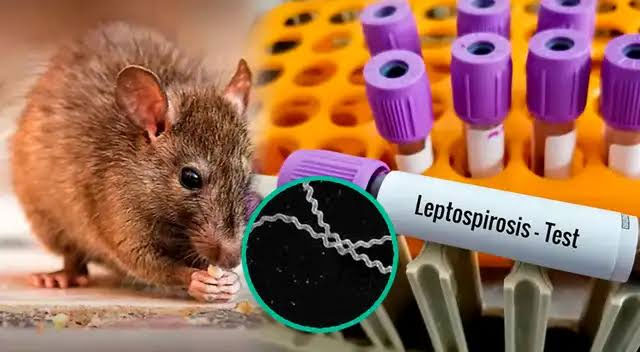
The risk of the disease increases significantly in floodwaters, waterlogged areas, drains and places with a high rodent population. Initially resembling an ordinary viral fever, the infection can severely damage the kidneys, liver and lungs if diagnosis is delayed. During the monsoon, there is also a danger of mistaking leptospirosis for viral fever or dengue.
Leptospirosis is caused by the bacterium Leptospira, which enters water and soil through the urine of rats and certain other animals. The bacteria can enter the human body through cuts and abrasions in the skin or through the eyes, nose and mouth while walking barefoot in rainwater or floodwater. Symptoms include chills, high fever, headache, redness of the eyes, body aches, muscle cramps, jaundice, abdominal pain and vomiting.
Preventive measures include avoiding walking barefoot in floodwaters, using rubber boots and gloves, preventing open wounds from coming into contact with water, drinking only boiled and cooled water, taking steps to control rodents in and around homes, and consulting a doctor rather than self-medicating if fever develops.
Up to the end of June 2026, the district recorded 20 cases in Mangaluru taluk, 14 in Bantwal, nine in Beltangady, seven in Puttur and three in Sullia. In 2025, the district reported 265 cases between January 1 and December 31: 128 in Mangaluru taluk, 52 in Bantwal, 45 in Beltangady, 26 in Puttur and 14 in Sullia. In 2024, 283 cases were reported district-wide, including 138 in Mangaluru taluk, 63 in Bantwal, 45 in Beltangady, 22 in Puttur and 15 in Sullia.
The recent district natural disaster management meeting also discussed the rise in rat fever cases. Officials informed public representatives that the rodent population has increased, contributing to the growing incidence of the disease. According to health department officials, rodents that live in underground burrows enter buildings during the monsoon when their burrows are flooded, and the mixing of their urine and droppings with water facilitates the spread of leptospirosis.
The higher incidence of the disease along the coast is attributed to heavy rainfall, water stagnation in low-lying areas, flooding of rivers and streams, overflowing drains in urban areas and an increase in the rodent population.
Health officials stated that leptospirosis is curable if patients are admitted to hospital and receive treatment at an early stage. However, they cautioned that ignoring medical advice and neglecting the disease can make it life-threatening.
Medical experts further advised that fever during the monsoon should not be dismissed as an ordinary viral infection. They stressed that anyone developing a fever after exposure to floodwater or contaminated water should immediately consult a doctor and undergo appropriate tests, noting that timely treatment in the early stages can prevent serious complications.