Daijiworld Media Network – Washington
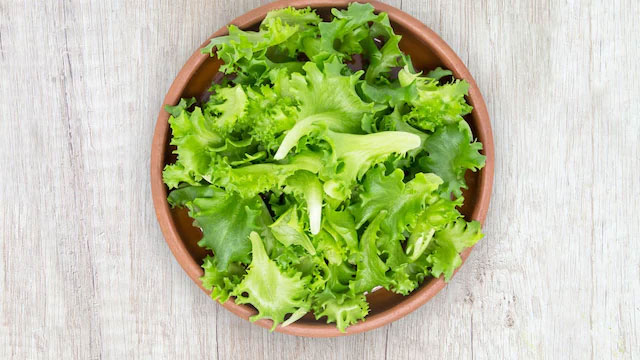
Washington, Jul 16: Health authorities in the United States are closely monitoring a rise in Cyclospora infections, with investigations focusing on possible links to contaminated fresh produce, including lettuce and salad greens.
Officials said that while lettuce was initially identified as a possible source, no single product, restaurant, grocery store or distributor has been confirmed as responsible for the current illnesses. No recalls have been issued so far.
Gwen Biggerstaff, deputy director of the CDC's Division of Foodborne, Waterborne, and Environmental Diseases, said health officials were witnessing an unusually high number of cyclosporiasis cases this season.
Public health experts have advised people not to panic but to remain alert, as early diagnosis and treatment can help prevent complications.
Speaking to NDTV, Dr Aishwarya R, Consultant - Infectious Diseases at Aster Whitefield Hospitals, Bengaluru, said the outbreak highlights that foodborne parasitic infections continue to be a global concern despite improvements in food safety systems.
Cyclospora infections are caused by a microscopic parasite called Cyclospora cayetanensis, which affects the small intestine. The illness, known as cyclosporiasis, is generally not life-threatening for healthy individuals but can become serious among older adults, young children and people with weakened immune systems.
The infection is mainly linked to consuming contaminated food or water, especially fresh fruits, leafy vegetables and herbs. Since fresh produce often travels through long supply chains before reaching consumers, contamination at any stage, including farming, irrigation, transportation or food preparation, can lead to outbreaks far away from the original source.
Symptoms of Cyclospora infection include prolonged diarrhoea, stomach cramps, bloating, nausea, fatigue, loss of appetite and weight loss. Unlike many common stomach infections, symptoms may come and go over several weeks if the infection is not properly treated.
Dr Aishwarya said the illness is often mistaken for a routine stomach infection. Persistent diarrhoea, recurring symptoms or illness after international travel should prompt medical consultation. Specialised stool testing may be required to confirm the infection, as routine tests may not always detect the parasite.
Although lettuce and salad greens are being examined in the current US outbreak, experts said Cyclospora has previously been associated with several types of fresh produce, including herbs, berries and other fruits. The parasite can contaminate food when crops are exposed to water or soil containing human waste.
Unlike viral stomach infections, Cyclospora does not spread easily from person to person. The parasite needs time in the environment before it becomes infectious, making direct transmission between family members, colleagues or travellers unlikely.
Dr Aishwarya said most infections occur after people consume contaminated food or water exposed to faecal contamination somewhere along the supply chain.
Health experts said the outbreak should not discourage travel, but people experiencing persistent or recurring diarrhoea after returning from affected regions should seek medical advice.
Cyclospora infections can be treated with trimethoprim-sulfamethoxazole.
Maintaining food hygiene, washing fresh produce properly, using clean water during food preparation and following safe handling practices can help reduce the risk of infection.