Daijiworld Media Network - New Delhi
New Delhi, Sep 21: Most people suffering from post-traumatic headache after a mild traumatic brain injury develop symptoms resembling migraine, while commonly used treatments often provide limited relief, according to a recent study of 218 adults.
The cross-sectional study evaluated adults two to four months after a mild traumatic brain injury who had moderate to severe post-traumatic headache and a high burden of concussion-related symptoms. Researchers found that the persistent headaches displayed distinct clinical patterns, suggesting that treatment may need to be tailored according to individual headache phenotypes rather than relying on generic pain-management approaches.
The study found that 88 per cent of participants had a migraine-like or probable migraine-like phenotype. Migraine without aura was the most common individual category, accounting for 38 per cent of patients.
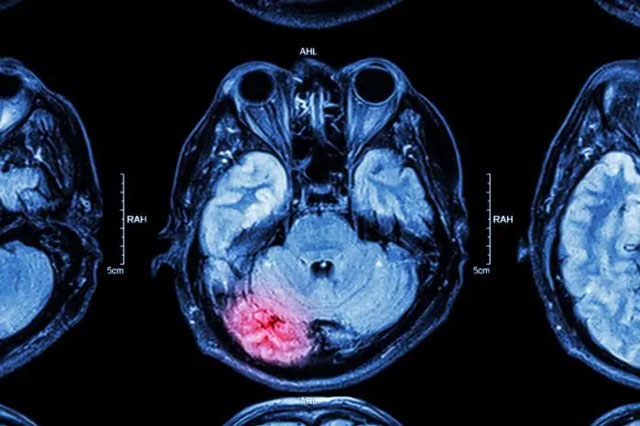
The distribution of headache phenotypes was almost identical among patients whose symptoms had lasted less than three months and those with persistent symptoms extending beyond three months. The researchers also found no significant difference in clinical phenotype between men and women.
Despite the strong migraine-like characteristics, 85 per cent of participants described their headache as pressing or tightening in nature, while 89 per cent reported pain on both sides of the head. Many patients also experienced more typical migraine features such as throbbing or one-sided pain.
The frequency and severity of the headaches were also high. About 78 per cent of participants experienced headaches on at least 15 days each month, while 94 per cent reported moderate to severe pain.
The study also identified significant gaps between recommended treatment approaches and the therapies patients actually received. Although 88 per cent of participants had used non-opioid painkillers, more than half reported little or no benefit from them.
Around 27 per cent met the criteria for probable medication-overuse headache, with frequent use of over-the-counter painkillers identified as a major contributing factor.
At the same time, migraine-specific acute treatments were rarely prescribed. Triptans were used by only 4 per cent of participants, although 75 per cent of those who received them reported a positive clinical response.
Preventive medicines were prescribed to just 7 per cent of patients. The study found limited effectiveness among the preventive treatments used, including beta-blockers, anticonvulsants and antidepressants.
Non-drug treatments also showed limited benefit. Around half of the participants had sought physical therapy, but approximately two-thirds of those patients reported no meaningful improvement.
The findings underline the need for earlier recognition of migraine-like post-traumatic headache and treatment based on the patient's specific symptoms. Researchers also highlighted the importance of routinely screening patients for medication overuse, which can contribute to persistent or worsening headaches.
The study was discussed in the context of the American Academy of Neurology's 2026 annual meeting and adds to evidence that post-traumatic headaches can closely resemble primary headache disorders such as migraine.