Daijiworld Media Network - New Delhi
New Delhi, Mar 28: Chief economic advisor V. Anantha Nageswaran has stressed that India should use the ongoing West Asia conflict as an opportunity to strengthen its economic resilience by accelerating reforms and improving competitiveness.
In the Finance Ministry’s latest monthly economic review, Nageswaran highlighted that the crisis could significantly affect India through multiple channels, including disruptions in the supply of oil, gas, and fertilisers, rising import costs, increased logistics expenses, and a potential drop in remittances from Indians working in Gulf countries.
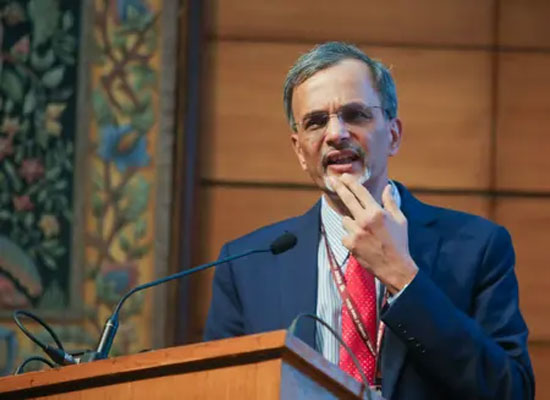
He noted that the combined impact of these factors could weigh heavily on growth, inflation, fiscal stability, and external balances. Given this scenario, he called for an “entrepreneurial mindset” within the bureaucracy, along with faster decision-making, to help the country navigate the challenges and emerge stronger.
The CEA emphasised the need for immediate support to vulnerable households and businesses, while also creating fiscal space for long-term priorities. These include building strategic reserves and buffers across key commodities, not limited to energy resources.
He pointed out that India’s merchandise trade deficit had already crossed $280 billion in 2024–25, accounting for about 7.5 per cent of GDP, and warned that it could widen further in the coming years. Managing this would require shared responsibility between the government, businesses, and consumers, including partial pass-through of rising import costs.
Nageswaran also explained that moderating domestic demand could help ease pressure on the current account deficit and assist monetary authorities in handling inflation. If demand slows due to higher prices, the central bank may treat inflation as a supply-side issue rather than tightening interest rates aggressively.
He added that continued global uncertainties and recent escalations in West Asia have further disrupted trade flows, particularly through the Strait of Hormuz, a critical route that carries a significant share of the world’s oil, LNG, and fertiliser shipments.
The CEA concluded that a balanced approach—combining short-term relief with long-term structural reforms—will be key to safeguarding India’s economic stability amid ongoing global volatility.