Daijiworld Media Network - Kochi
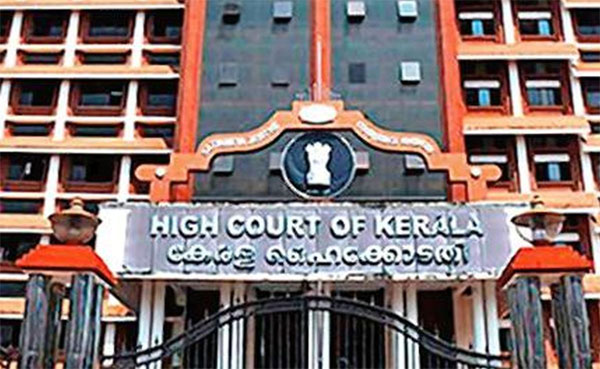
Kochi, Mar 31: The Kerala High Court on Tuesday upheld the validity of the 2024 amendments to the Kerala Lokayukta Act, offering a major boost to the state government while also laying down an important safeguard regarding timelines for action.
A Division Bench led by Chief Justice Soumen Sen and Justice V.M. Syam Kumar dismissed a batch of petitions spearheaded by senior Congress MLA Ramesh Chennithala. The petitions had challenged the amendments on the grounds that they were unconstitutional and undermined the principle of separation of powers.
Even as it upheld the amendments, the court introduced a crucial condition: if the competent authority does not act on a Lokayukta report within 90 days, the report will be treated as accepted. The Bench clarified that this interpretation must be applied to Section 12 of the Act, which governs how reports are submitted and acted upon.
The amendments, brought in by the second Pinarayi Vijayan government, had sparked considerable debate. Critics argued that the changes weakened the Lokayukta by limiting its powers, particularly its ability to recommend the removal of public officials found guilty of corruption, effectively reducing it to an advisory body.
Chennithala’s plea highlighted significant alterations to Sections 2, 3, and 14 of the Act. One of the key changes shifted the authority to decide on recommendations against the Chief Minister from the Governor to the State Legislative Assembly. In cases involving MLAs, the Speaker was designated as the competent authority.
According to the petitioner, these changes concentrated decision-making power within the ruling establishment, raising concerns about impartiality. The amendments also relaxed eligibility norms for appointing the Lokayukta, allowing former High Court judges to be considered instead of restricting the post to former Chief Justices.
Additionally, changes to Section 14 enabled competent authorities to reject Lokayukta recommendations without being bound to take mandatory action.
However, the High Court dismissed the contention that these provisions infringed upon judicial authority. The state government argued that the Lokayukta is not a judicial body and that investigative institutions should not be granted final decision-making powers.
The verdict comes in the context of earlier tensions surrounding the Lokayukta, including the resignation of former Minister K.T. Jaleel in 2021 following an adverse order, and later controversies linked to the Chief Minister’s Distress Relief Fund—episodes that had intensified scrutiny of the institution and its role.