Daijiworld Media Network - New Delhi
New Delhi, May 13: Reserve Bank of India governor Sanjay Malhotra has cautioned that India may eventually have to increase petrol and diesel prices if tensions in West Asia continue to drive crude oil prices higher in the global market.
Speaking at a conference organised by the Swiss National Bank and the International Monetary Fund in Switzerland on Tuesday, Malhotra said rising energy costs linked to the Iran conflict are posing a fresh challenge to India’s inflation management framework.
He noted that while the RBI is currently treating the situation with a flexible and data-driven approach, prolonged pressure on oil prices could require policy intervention if inflationary risks become persistent.
“We are becoming increasingly data dependent. The RBI can look through temporary shocks, but if inflationary pressures become entrenched, action may be necessary,” Malhotra said.
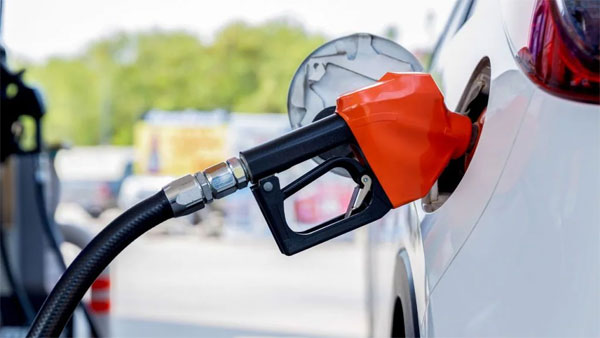
The RBI Governor indicated that an increase in retail fuel prices may become unavoidable if the geopolitical crisis persists, as sustained high crude prices would eventually raise transportation costs and overall inflation across sectors.
In its April 2026 monetary policy review, the RBI’s Monetary Policy Committee had unanimously decided to keep the repo rate unchanged at 5.25 per cent while maintaining a neutral policy stance. The central bank adopted a cautious “wait-and-watch” strategy to support economic growth while monitoring inflation amid global uncertainty.
Malhotra also pointed out that the government has already reduced excise duties on fuel, while state-run oil companies are currently absorbing the impact of rising international crude prices.
Meanwhile, Petroleum Minister Hardeep Singh Puri said the country has sufficient stocks of petrol, diesel and LPG, but acknowledged that public sector oil marketing companies are facing mounting financial pressure due to the freeze on retail fuel prices.
According to the minister, state-run oil companies are incurring losses of nearly Rs 1,000 crore per day as international crude oil prices have crossed the $100 per barrel mark without corresponding increases in domestic fuel rates.
India imports nearly 88 per cent of its crude oil requirement, making the country highly vulnerable to fluctuations in global oil prices. Rising crude costs directly affect the production and supply costs of petrol, diesel and cooking gas.
Puri said total under-recoveries by oil companies have reached approximately Rs 1.98 lakh crore, while losses during the current June quarter alone are estimated at nearly Rs 1 lakh crore.
He added that LPG production has been increased to around 55,000–56,000 tonnes per day from earlier levels of nearly 35,000 tonnes to maintain uninterrupted supply across the country.
The minister also assured that India currently possesses crude oil reserves sufficient to meet around 76 days of domestic demand.