Daijiworld Media Network – New Delhi
New Delhi, May 21: The Centre is planning to tighten regulation of implantable medical devices by creating a national registry to track products and patients, a move aimed at improving accountability, monitoring safety and preventing the use of low-quality devices.
According to officials, the proposal is currently under consideration at the highest levels of government and an announcement is expected soon.
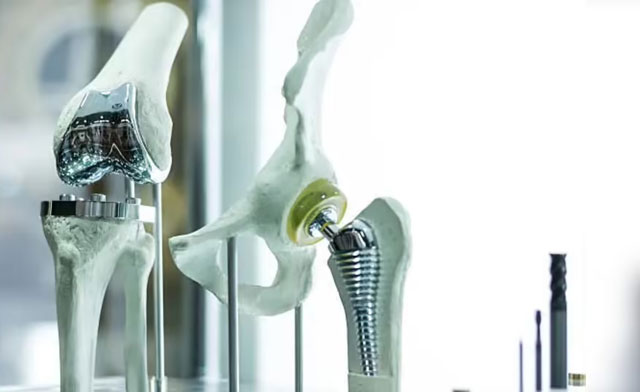
The proposed registry will initially focus on cardiac and orthopaedic implants, with manufacturers, suppliers and hospitals likely to be mandated to maintain detailed records of implanted devices. The system is expected to be expanded gradually to include all implantable medical devices.
Officials said the registry would help authorities track devices in case of global recalls, adverse events or safety concerns, while also helping frame better procurement policies under government healthcare schemes.
The move is also expected to strengthen oversight against cheap and low-quality imports entering the Indian market from neighbouring countries.
India’s medical devices industry, currently estimated at around 15 billion dollars, is projected to grow to nearly 50 billion dollars by 2030. More than one million high-risk implantable devices — including cardiac stents, pacemakers, artificial joints and spinal implants — are reportedly used annually across the country.
Rajiv Nath, forum coordinator of the Association of Indian Medical Devices Industry, welcomed the proposal and said India currently lacks a proper mechanism to trace implanted devices.
“India implants lakhs of devices every year but cannot trace them. A National Implant Registry will help identify patients during recalls, monitor real-world safety and build Indian evidence,” he said.
Industry representatives believe the registry would create end-to-end accountability from manufacturers to patients and significantly improve patient safety standards.
India’s implantable medical device sector has long faced concerns relating to regulatory gaps, heavy dependence on imports, rising costs and inadequate monitoring systems.
The Centre had introduced the National Medical Devices Policy in 2023 to strengthen regulation and encourage domestic manufacturing in the sector.
Cardiac stents continue to account for a significant number of reported adverse events involving medical devices in India, while concerns have also emerged in recent years over faulty knee and spinal implants.