Daijiworld Media Network - New Delhi
New Delhi, Dec 25: Researchers have reported encouraging results from a clinical trial of a new monoclonal antibody therapy for primary sclerosing cholangitis (PSC), a rare and serious liver disease with limited treatment options.
Scientists at the University of California–Davis in the US evaluated an anti-inflammatory and anti-fibrotic monoclonal antibody called nebokitug and found it to be safe and potentially beneficial for people living with PSC. The findings have been published in the American Journal of Gastroenterology.
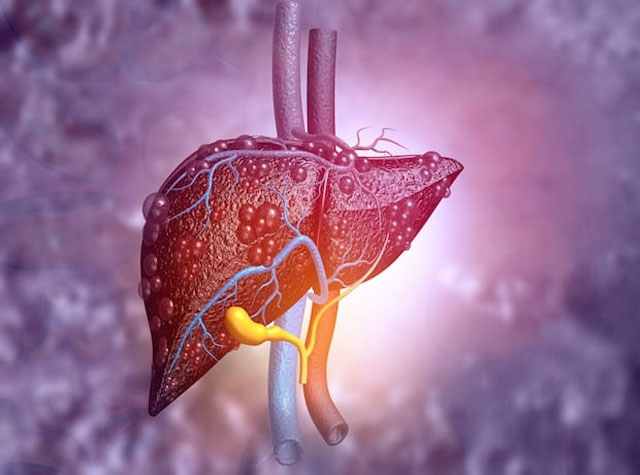
PSC currently has no proven medical treatment, and many patients eventually require a liver transplant. The trial results therefore mark a significant step forward.
“In this study, nebokitug showed the potential to meaningfully reduce inflammation and fibrosis, which could translate into better long-term outcomes for patients,” said Christopher Bowlus, Chief of Gastroenterology and Hepatology at UC Davis Health. He added that the findings offer renewed optimism for a patient group that urgently needs an effective, approved therapy.
PSC is a chronic condition in which the bile ducts become inflamed and scarred. These ducts are essential for transporting bile from the liver to the intestine to aid digestion. When they narrow or become blocked, bile accumulates in the liver, gradually causing liver damage.
While the exact cause of PSC remains unclear, the disease is commonly seen in people with inflammatory bowel disease, pointing to a possible connection between gut inflammation and liver injury. Symptoms may include fatigue, itching, and yellowing of the skin or eyes, although some patients show no early signs.
Nebokitug works by targeting CCL24, a protein involved in driving inflammation and tissue scarring. In PSC patients, elevated levels of CCL24 are found around the bile ducts, where they contribute to disease progression. Blocking this protein has been shown to reduce these damaging effects.
The Phase 2 trial involved 76 PSC patients from five countries. Participants were randomly given one of two doses of nebokitug or a placebo via intravenous infusion every three weeks over a 15-week period. The primary focus of the study was to assess safety.
Researchers found that nebokitug was well tolerated, with no major safety concerns. Importantly, patients—particularly those with more advanced liver scarring—showed improvements in liver stiffness and markers of fibrosis compared to those who received a placebo, suggesting the treatment may help slow or reduce disease progression.