Daijiworld Media Network - Mumbai
Mumbai, Jan 2: In one of the largest analyses conducted so far on ovarian stimulation strategies, researchers have reported that the gonadotropin-releasing hormone (GnRH) antagonist protocol results in significantly better oocyte retrieval outcomes than progestin-primed ovarian stimulation (PPOS) in young women predicted to have a low oocyte yield.
The retrospective cohort study analysed data from 2,068 women aged 35 years or below undergoing their first IVF or ICSI cycle. All participants were identified as being at high risk for low oocyte retrieval using a validated, multi-parameter nomogram.
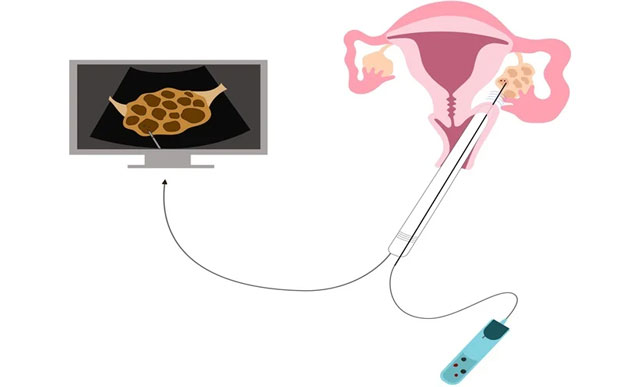
After adjusting for baseline differences through propensity score matching, the GnRH antagonist protocol consistently outperformed PPOS across several statistical models, including Bayesian analysis. Women treated with the antagonist protocol retrieved an average of 8.3 oocytes, compared to 5.3 in the PPOS group, with extremely strong statistical evidence supporting the finding.
The proportion of patients experiencing low oocyte retrieval, defined as fewer than 10 oocytes, was also markedly lower in the antagonist group at 65.2 per cent, compared to 86 per cent among those who underwent PPOS.
Despite the clear advantage in the number of oocytes retrieved, researchers found no significant differences between the two protocols in terms of fertilisation rates or embryo quality. This suggests that the primary benefit of the GnRH antagonist protocol lies in improving oocyte yield rather than affecting later embryological outcomes.
Further subgroup analysis showed that the GnRH antagonist protocol maintained its superiority across low- and mid-risk groups, with odds ratios indicating a substantially reduced risk of low oocyte retrieval. However, in the highest-risk subgroup, PPOS appeared to perform comparably or, in some cases, marginally better than the antagonist protocol.
The findings indicate that while the GnRH antagonist approach is optimal for most young patients at high risk of low oocyte yield, protocol selection may need to be individualised for patients at the extreme end of the risk spectrum.
Researchers concluded that the results support a risk-adapted approach to ovarian stimulation. For the majority of young, high-risk patients, GnRH antagonist protocols appear to offer the most reliable strategy for maximising oocyte numbers, a key factor in improving overall IVF success rates.
The study’s authors noted that these insights could help clinicians tailor treatment plans more precisely, leading to better outcomes in a patient population where every additional oocyte can be clinically significant.