Daijiworld Media Network – New Delhi
New Delhi, May 11: India has reportedly declined Russia’s offer to supply liquefied natural gas (LNG) linked to United States sanctions despite facing energy supply pressures triggered by tensions in West Asia.
According to sources familiar with the matter, India conveyed its decision during the visit of Russian Deputy Energy Minister Pavel Sorokin to New Delhi on April 30, where he held discussions with Union Petroleum and Natural Gas Minister Hardeep Singh Puri.
The move reflects India’s attempt to balance energy security needs with concerns over handling LNG cargoes sanctioned by the United States, which are considered difficult to conceal and carry higher compliance risks.
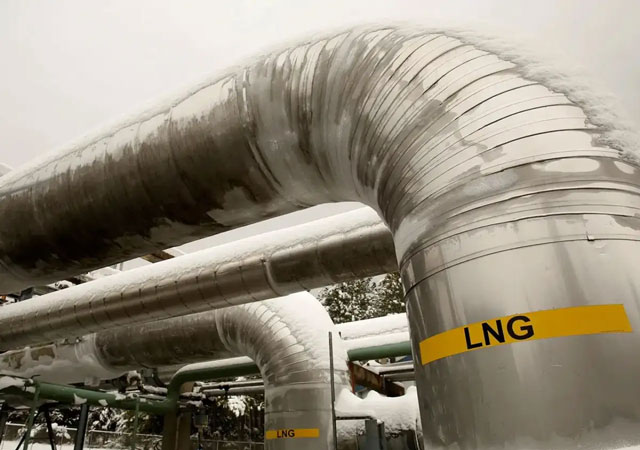
Sources said India remains open to purchasing authorised Russian LNG, but most of those supplies are currently committed to Europe.
The decision has reportedly left an LNG cargo from Russia’s sanctioned Portovaya plant in the Baltic Sea stranded without a confirmed unloading destination.
The 138,200-cubic-metre tanker “Kunpeng”, which had indicated India’s Dahej LNG terminal in Gujarat as its destination in mid-April, is currently reported to be near Singapore waters without broadcasting a destination.
According to reports, the cargo was tracked despite documentation allegedly identifying it as non-Russian.
India continues to remain the largest buyer of Russian seaborne crude oil, aided by temporary waivers linked to the ongoing global energy crisis arising from the US-Israel conflict with Iran.
However, experts said LNG shipments are much harder to hide compared to crude oil cargoes, which can sometimes be masked through ship-to-ship transfers at sea.
Russia’s other LNG export facility, Arctic LNG 2, has also been subjected to US sanctions imposed earlier this year over Moscow’s war with Ukraine.
Sources said Moscow is also exploring long-term agreements with India for LNG supplies as well as fertilisers including potash, phosphorus and urea.
Before disruptions linked to the Iran conflict affected shipping through the Strait of Hormuz, India was meeting nearly half of its gas demand through imports, with about 60 per cent of those supplies passing through the strategic waterway.
More than half of India’s crude oil imports also transit through the Strait of Hormuz.
Amid concerns over rising fuel prices and foreign exchange pressure, Prime Minister Narendra Modi recently urged citizens to conserve fuel, reduce unnecessary imports and limit avoidable foreign travel.