Daijiworld Media Network - Mangaluru
Mangaluru, Jun 18: Ferry operators in Mangaluru have warned that rising diesel prices are placing their services under severe financial strain. Escalating fuel, maintenance, and repair costs are threatening the viability of operations on several of the city's key water transport routes.
Various ferry service committees and operators across the city have voiced deep concern over the growing financial burden.
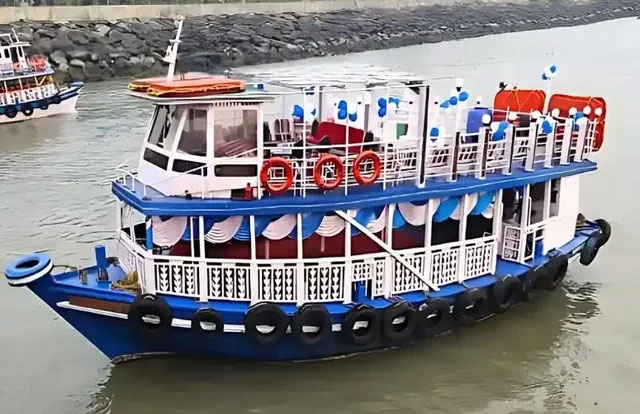
Operators noted that the sharp rise in diesel prices has pushed their services into losses. Previously, profits generated from these ferry operations were utilised for social service activities, but the current financial deficit has made such community contributions increasingly difficult.
On some of the busier routes, ferries consume around 175 litres of diesel per day. Coupled with regular maintenance expenses, the rising costs of spare parts, and the burden of paying salaries to staff members, managing the daily operations of multiple boats has become a major hurdle.
Despite the mounting losses, operators stressed that the services cannot be discontinued as they provide the shortest and most essential travel routes for local residents commuting to the city.
While a fare hike seems necessary to sustain the services, operators explained the practical difficulties involved. Increasing fares by Rs 2 or Rs 3 would create severe issues with tendering exact change to passengers, while a steep hike of Rs 10 is considered highly impractical and burdensome for regular commuters.
Any decision on revising fares will only be taken after thorough discussions with operating committees and local residents. On certain routes, increasing fares is further complicated by the expected completion of new connecting bridges in the coming months, prompting operators to defer any decisions on fare hikes until a later date.
The financial strain is exacerbated by fluctuating ridership. Operators pointed out that passenger numbers are typically higher only during the weekends and see a steep decline during the ongoing monsoon season.
Furthermore, the lack of proper dredging remains a significant issue. During low tides, ferries are forced to take longer, circuitous routes, resulting in higher diesel consumption. However, operators noted a slight silver lining this year, stating that damage to boats caused by low tides was relatively limited due to a stronger river flow following the opening of a nearby coffer bund.