Media Release
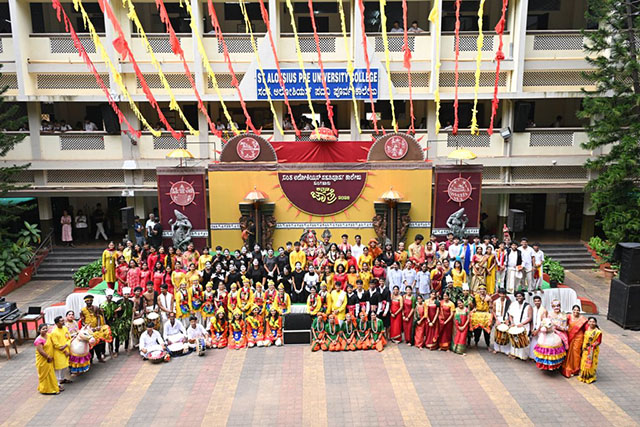
Mangaluru, Nov 3: St Aloysius Pre-University College (SAPUC), Mangaluru, celebrated the 71st Kannada Rajyotsava through a vibrant programme of cultural performances, student competitions and reflections on Karnataka’s linguistic and ecological heritage. The celebration featured an address by Dinesh Holla, writer, artist and environmentalist, who called upon students to safeguard the fragile ecology of the Western Ghats, nurture Kannada and embrace the linguistic diversity of the state.
The programme commenced with a stirring rendition of the state anthem, Jaya Bharata Jananiya Tanujathe, evoking a deep sense of belonging and reverence for the land.
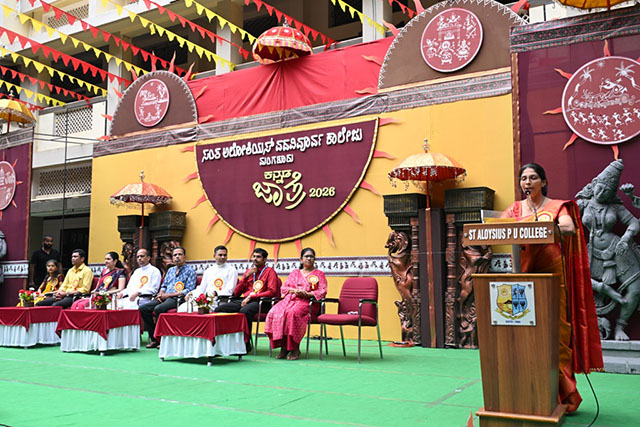
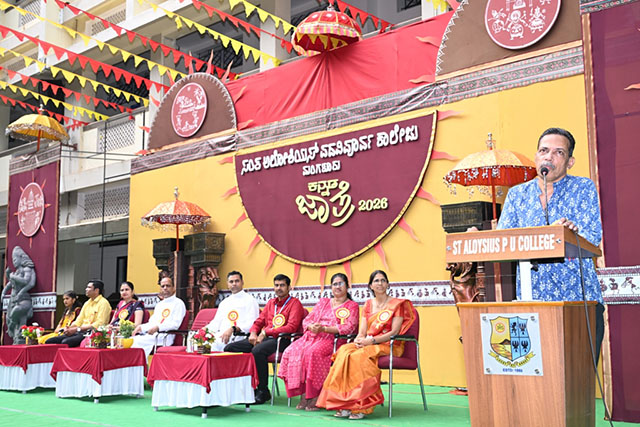
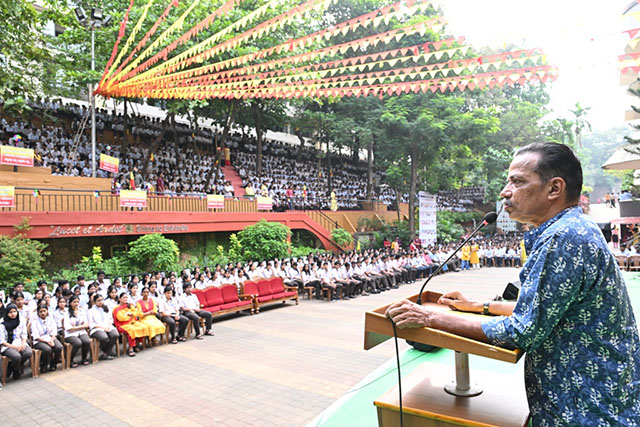
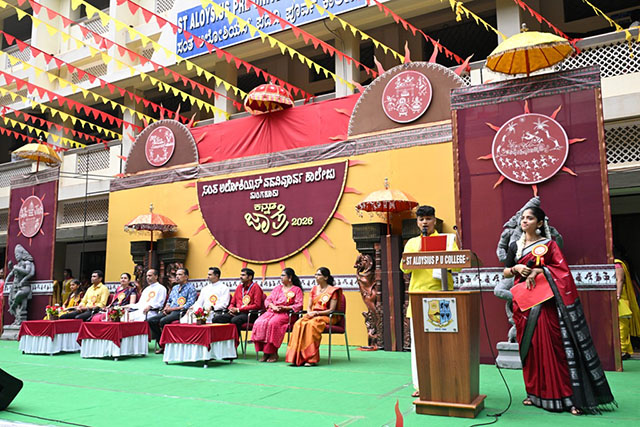
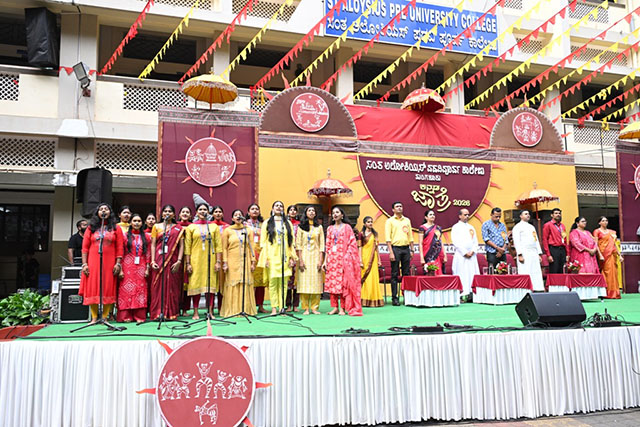
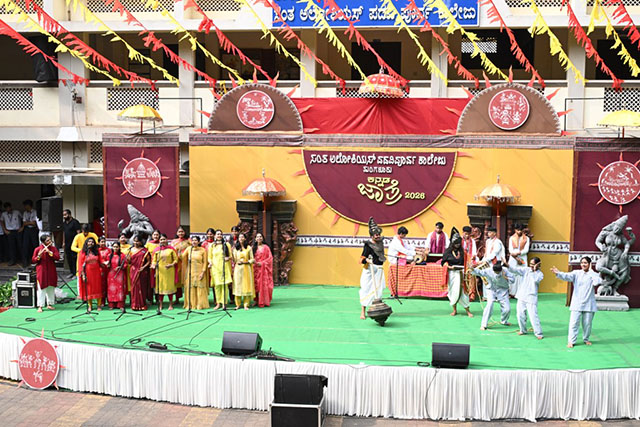
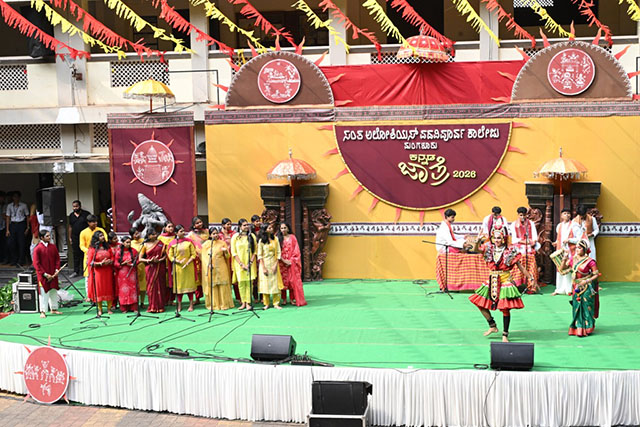
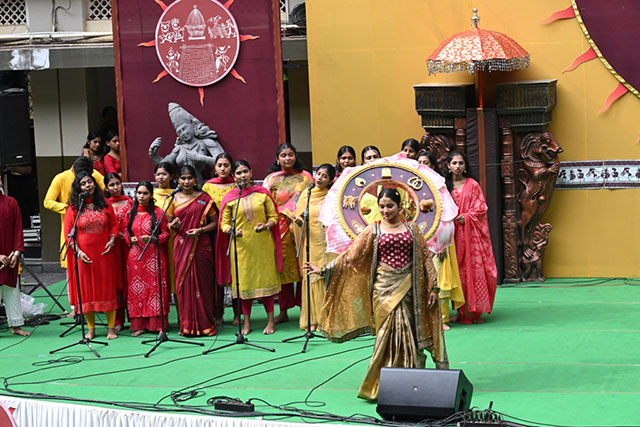
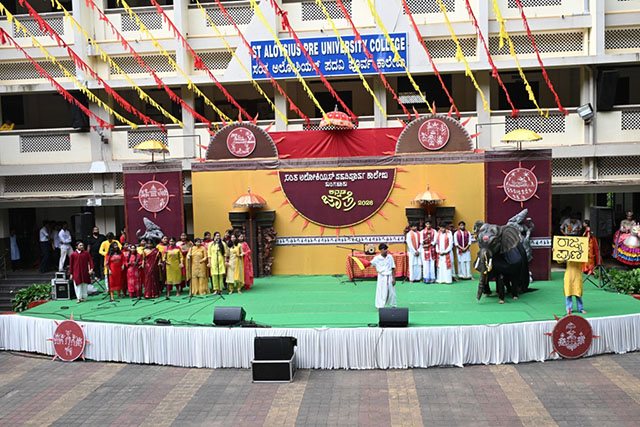
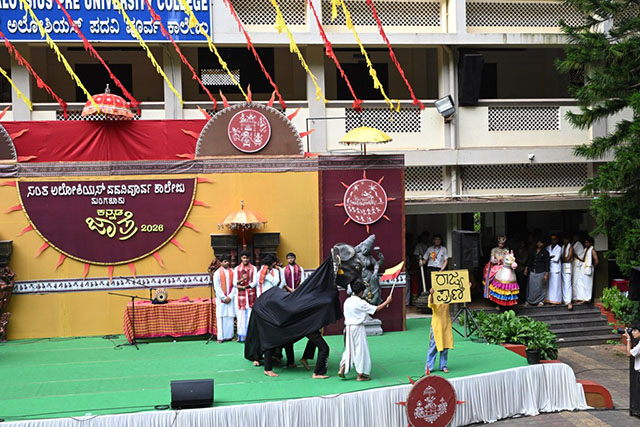
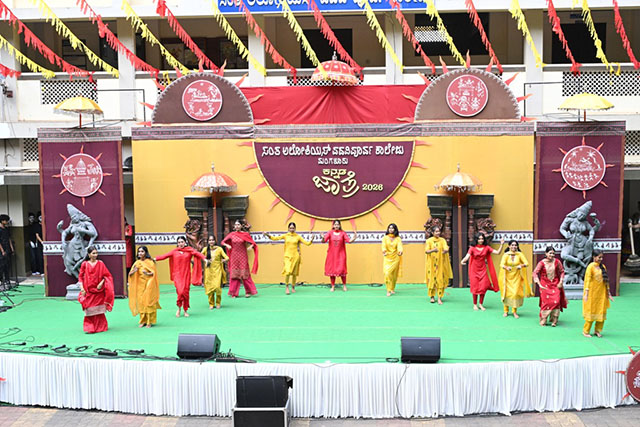


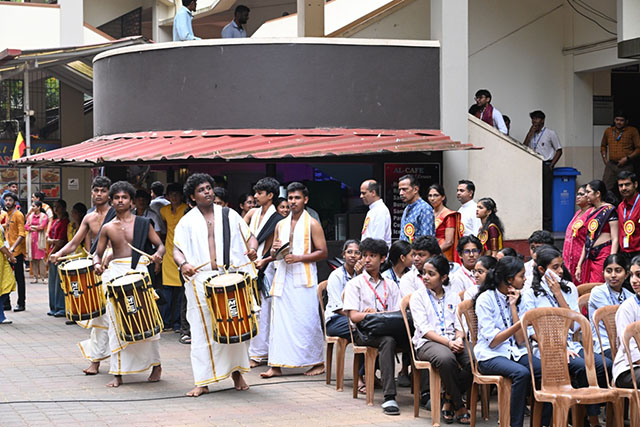
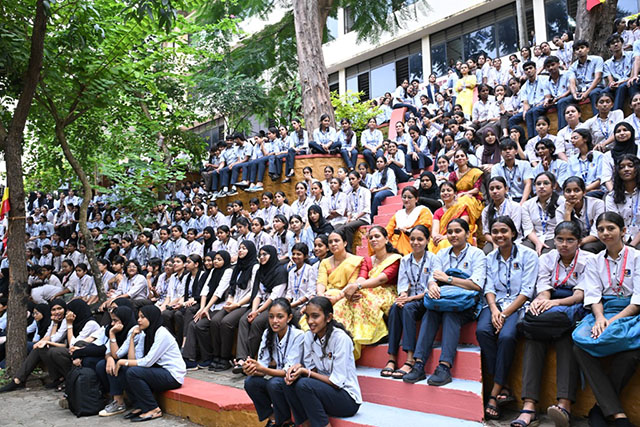
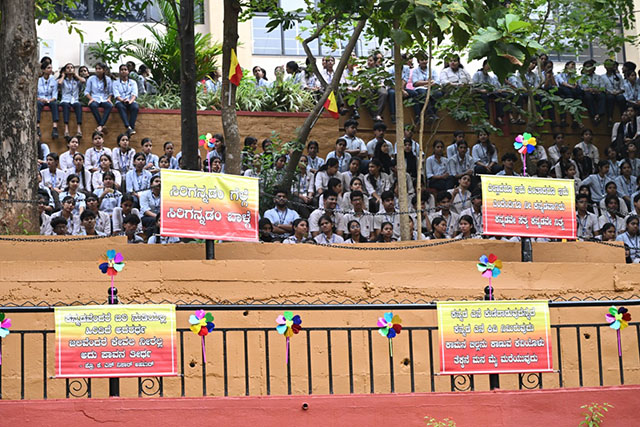
Addressing the gathering, Holla paid tribute to the eminent poets of Kannada and acknowledged their invaluable contributions to enriching the language and shaping its literary heritage. He encouraged students to take pride in Kannada while fostering equal respect for the diverse languages that enrich Karnataka’s multicultural landscape. He also acknowledged the contribution of St Aloysius institutions in providing platforms that nurture literary talent.
Moving beyond linguistic heritage, Holla highlighted the ecological treasures of the Western Ghats and the intricate web of life that sustains its forests. Drawing from his experiences in the wilderness, he illustrated how even the smallest organisms, including ants and insects, play indispensable roles in maintaining ecological balance. He explained how birds, insects and other living organisms contribute to forest regeneration, soil fertility and the movement of nutrients through river systems.
He expressed concern over the gradual conversion of fertile agricultural lands into residential layouts and concrete structures, cautioning that the destruction of green cover and fragile watershed regions could aggravate water scarcity, rising temperatures and landslides. He further observed that increasing human encroachment into wildlife habitats was a major cause of human-wildlife conflicts involving elephants, tigers and leopards.
Highlighting the ecological significance of the Great Hornbill, often regarded as the ‘farmer of the forest’, he explained its vital role in seed dispersal and forest regeneration. He also drew attention to the threat posed by poaching and underscored the urgent need to protect wildlife and preserve the delicate balance of nature. He emphasised that environmental conservation must extend beyond planting saplings to ensuring their survival through sustained care.
Advocating a more responsible relationship with nature, Holla urged students to nurture saplings, maintain percolation pits, preserve green spaces around their homes and resist excessive concretisation. He stressed that safeguarding the Western Ghats was essential not only for Karnataka but also for the water security of South India.
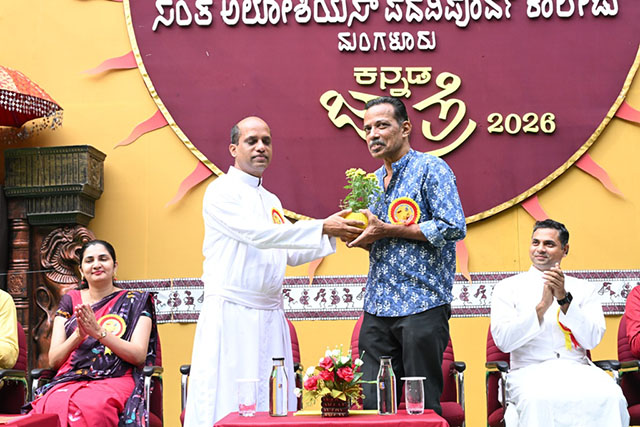
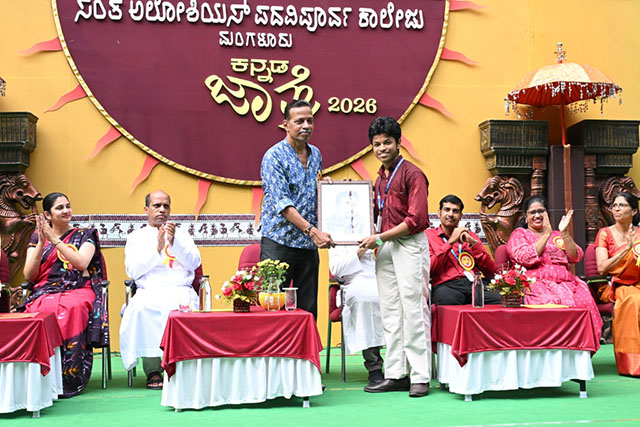
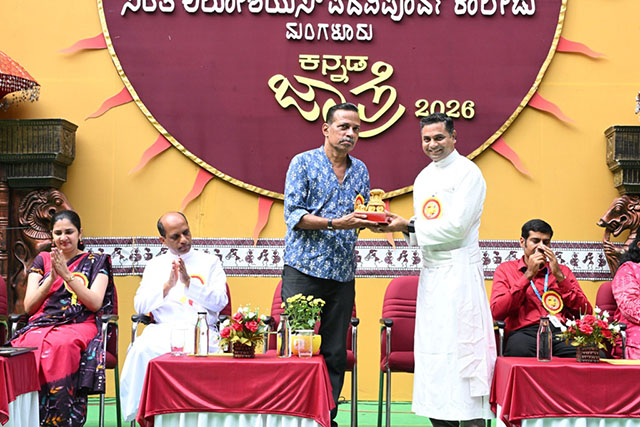
The department of Kannada organised elocution and quiz competitions to deepen students’ engagement with the language and its cultural heritage. Holla presented prizes to the winners, recognising their enthusiasm and participation.
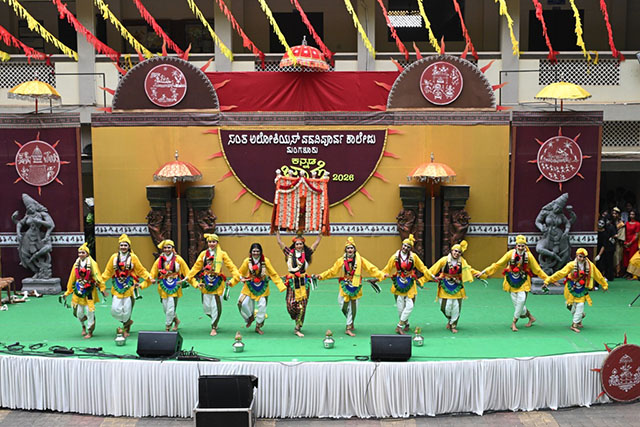
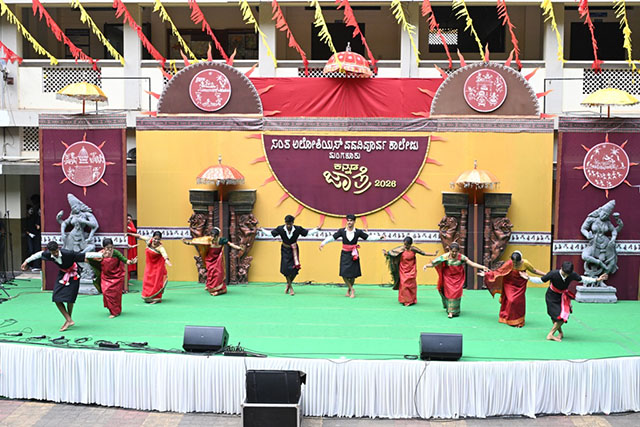
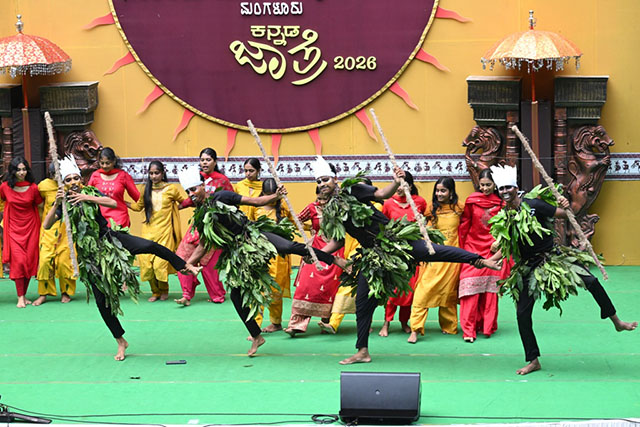
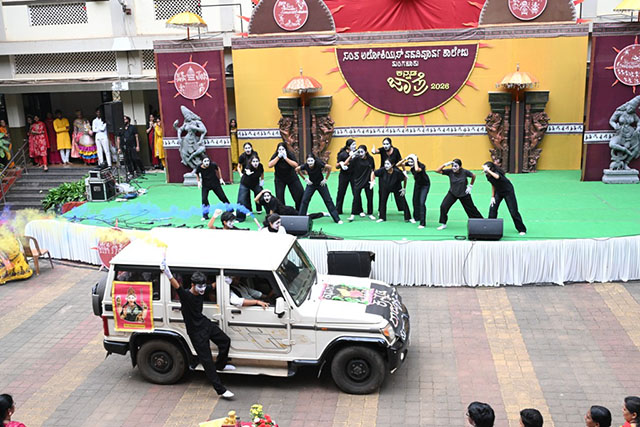
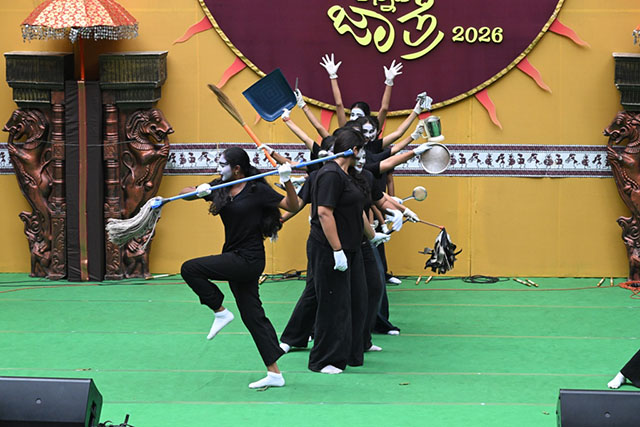
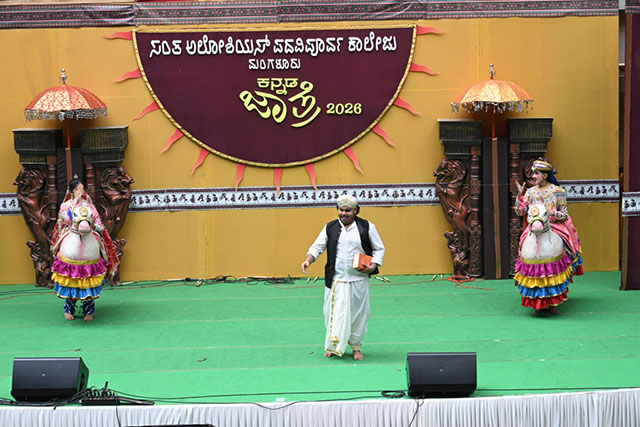
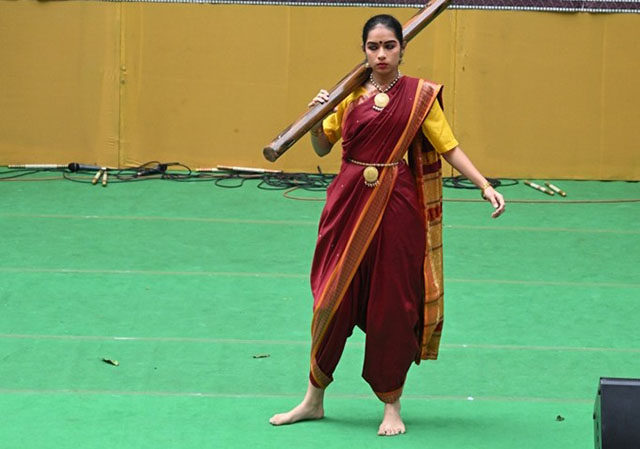
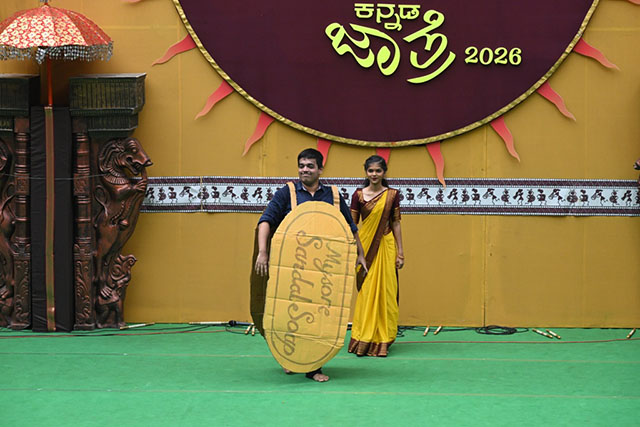
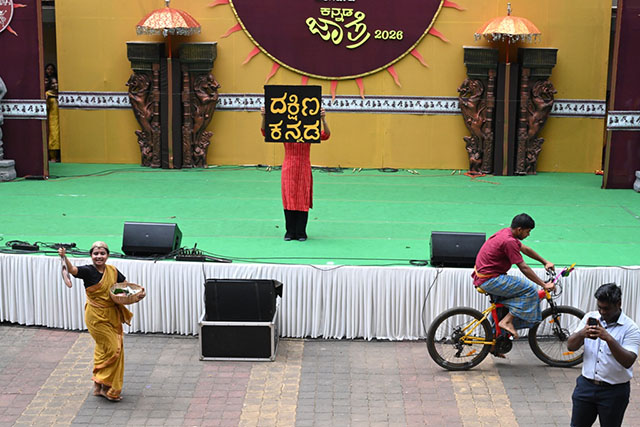
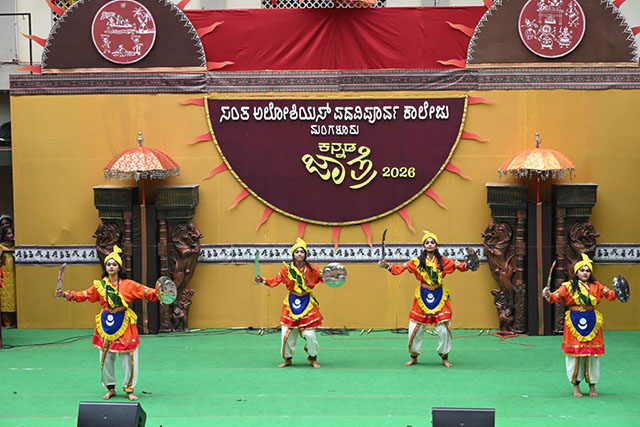
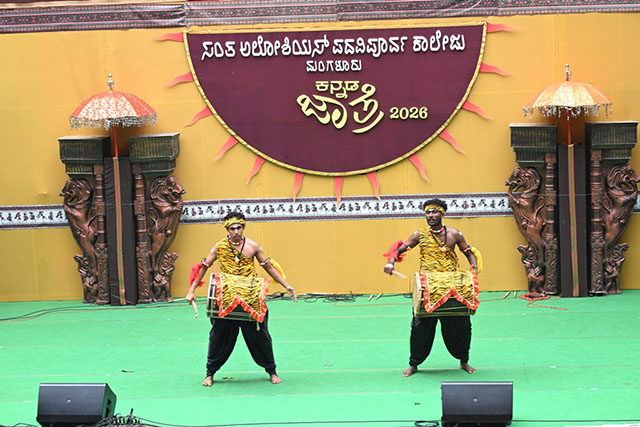
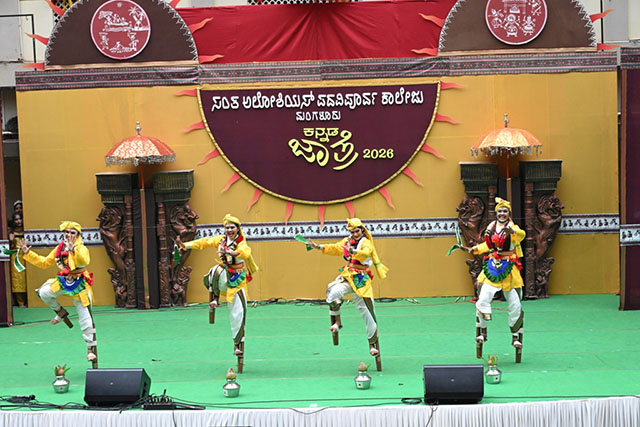
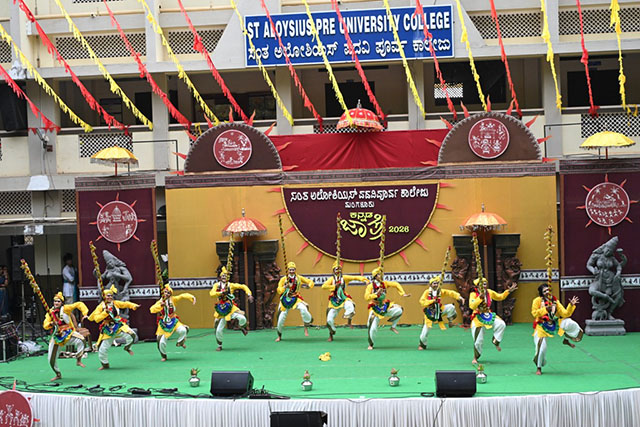
The cultural segment brought Karnataka’s traditions to life through a musical jugalbandi of Kannada songs, Yakshagana, mime, kolata, dollukunitha, kamsale and Veeragase. The performances showcased the richness of the State’s folk traditions and celebrated its diverse artistic expressions.
Principal Fr Clifford Sequeira SJ, campus minister Fr Anthony Derrick SJ, vice-principals Muralikrishna G M and Vilma Fernandes, deans Kiran Shetty and Inas Dias, and Janet Pinto, head of the department of Kannada and languages, were present on the dais.
Janet Pinto welcomed the gathering, while Lavanya K announced the prize winners. Kannada Sangha president, Divya B H proposed the vote of thanks. Manvitha Shetty and Nihal Poojary compered the programme.