Daijiworld Media Network – New Delhi
New Delhi, May 19: India’s edible oil imports increased by 3 per cent to 166.51 lakh tonnes during the 2025-26 fiscal year, largely due to a significant rise in duty-free imports from Nepal, according to the Solvent Extractors’ Association of India (SEA).
The country had imported 161.82 lakh tonnes of edible oil in the previous fiscal year.
SEA stated that Nepal’s edible oil exports to India more than doubled during the year, rising by 113 per cent from 3.45 lakh tonnes to 7.36 lakh tonnes.
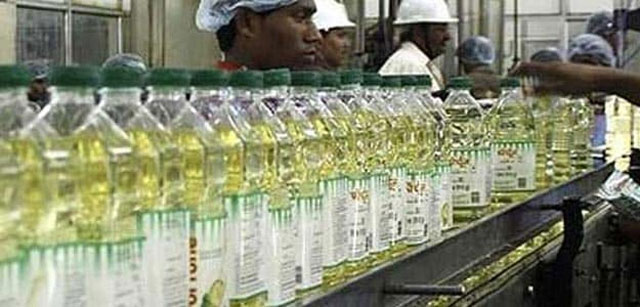
Nepal enjoys zero-duty market access under the South Asian Free Trade Area (SAFTA) agreement, making its exports more competitive in the Indian market.
According to the industry body, refined soybean oil accounted for the majority of Nepal’s exports to India, while smaller quantities of sunflower oil, RBD Palmolein and rapeseed oil were also imported.
“The surge in duty-free imports of refined oils from Nepal substantially contributed to the increase in India’s total edible oil imports during the year,” the SEA said in a statement.
The association noted that without imports under the SAFTA arrangement, overall edible oil imports could have remained below the previous year’s level despite rising domestic demand.
It also pointed out that increasing international prices and the weakening of the Indian rupee against the US dollar had pushed up import costs.
India continues to depend heavily on imported edible oils, with domestic production currently meeting only around 40 per cent of the country’s total requirement.
SEA said low oilseed productivity, fragmented agricultural landholdings, limited irrigation facilities and policy focus on crops such as wheat and rice have affected domestic oilseed production growth.
The association urged the government to focus on improving oilseed productivity and promoting domestic value addition to reduce long-term dependence on imports.
It also referred to Prime Minister Narendra Modi’s recent appeal urging people to reduce excessive edible oil consumption, stating that moderation in usage along with improved domestic production could help reduce import dependence and ease pressure on foreign exchange reserves.