Daijiworld Media Network - Tehran
Tehran, Apr 6: Iran on Monday issued a stern warning that any further attacks on its civilian infrastructure would trigger a far more intense and wide-ranging response, amid escalating tensions with the United States.
A spokesperson for the Khatam al-Anbiya Central Headquarters stated that if such strikes are repeated, Iran’s retaliatory operations would become “much more devastating and widespread.”
The warning comes after Donald Trump threatened severe action against Iran’s civilian infrastructure if Tehran continues to disrupt access through the strategically vital Strait of Hormuz.
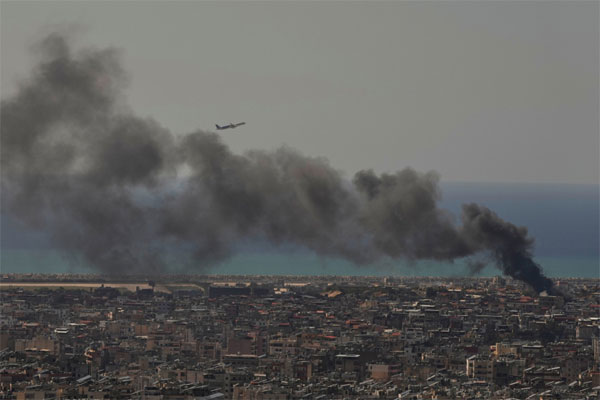
In a related development, Ali Akbar Velayati, a senior adviser to Iran’s supreme leader, suggested that the so-called resistance front could target another crucial maritime route—the Bab el-Mandeb Strait. His remarks hinted at the possibility of disrupting global trade and energy flows if tensions continue to escalate.
Velayati warned that any miscalculation by Washington could have immediate global consequences, noting that major shipping lanes could be affected “with a single signal.” The Bab el-Mandeb Strait serves as a key link between the Red Sea and the Gulf of Aden, making it essential for international maritime trade.
Meanwhile, Trump reiterated a hardline stance in an interview with The Wall Street Journal, outlining the possibility of large-scale strikes if Iran does not comply with US demands within a specified timeframe. He warned that critical infrastructure—including power plants and bridges—could be targeted.
According to Trump, failure to act could result in the destruction of major national assets across Iran, underscoring the scale of potential military action.
These developments come against the backdrop of rising friction over the Strait of Hormuz, one of the world’s most important oil transit routes. The situation has intensified following repeated warnings from Washington urging Tehran to reopen and maintain access to the passage.
Despite the tough rhetoric, Trump indicated that diplomatic engagement remains a possibility, suggesting that Iranian leadership could still be open to negotiations even as pressure mounts.
The unfolding situation reflects a broader US strategy of combining strong warnings with the option of dialogue, as tensions between the two sides continue to climb.