Daijiworld Media Network - New Delhi
New Delhi, May 15: The United Arab Emirates on Friday strongly rejected what it described as Iran’s attempts to justify “terrorist attacks” against the UAE and other Gulf nations amid escalating tensions in West Asia.
The remarks were made by UAE Minister of State Khalifa bin Shaheen Al-Marar during the BRICS Foreign Ministers’ Meeting held in New Delhi, where Iranian Foreign Minister Abbas Araghchi was also present.
According to the Emirates News Agency, Al-Marar said the UAE categorically rejected “any allegations or threats targeting its sovereignty, national security, or independent decision-making.”
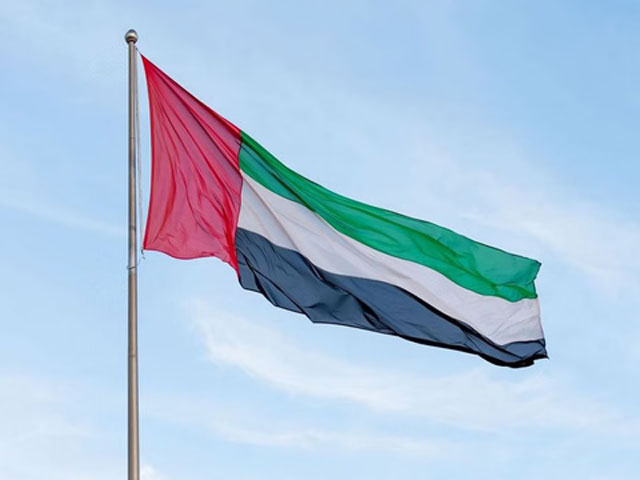
“The UAE reserves its full sovereign, legal, diplomatic and military rights to respond to any threat, allegation or hostile act,” he said.
The UAE has faced repeated missile and drone attacks from Iran during the ongoing US-Israel conflict involving Tehran.
In recent weeks, diplomatic tensions between Abu Dhabi and Tehran have intensified, with both countries exchanging strong statements while Iran reportedly launched further attacks targeting the UAE and commercial shipping routes.
Al-Marar told the BRICS meeting that since the conflict began on February 28, UAE air defence systems had intercepted nearly 3,000 drone and missile attacks allegedly aimed at civilian infrastructure and critical facilities.
“The UAE does not seek protection from others and is fully capable of deterring this unprovoked aggression,” he said.
Diplomats attending the two-day BRICS meeting reportedly failed to issue a joint statement due to disagreements among member countries over the West Asia situation.
India, in the concluding chair’s statement, said there were “differing views among some members as regards the situation in the West Asia/Middle East region.”
On Thursday, Araghchi had accused the UAE of being an “active partner” in the US-Israeli military campaign against Iran.
Responding on Friday, the Iranian minister claimed that Tehran had targeted only “American military bases and American military installations which are unfortunately on their soil.”
UAE officials have repeatedly denied involvement in military operations against Iran and stressed their commitment to a political and diplomatic resolution to the conflict.
Meanwhile, Gulf countries along with the United States are reportedly seeking support at the United Nations Security Council for a resolution pressuring Iran to restore unrestricted passage through the Strait of Hormuz.
The disruption of maritime traffic through the strategic waterway has significantly affected energy exports from Gulf nations.
Al-Marar described the obstruction of shipping routes in the Strait of Hormuz as “an act of piracy.”