Daijiworld Media Network - Panaji
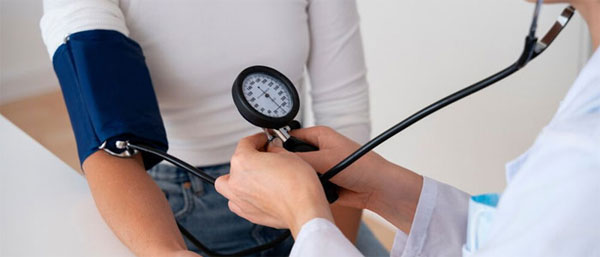
Panaji, May 17: Medical experts have raised concerns over the growing neglect of regular blood pressure monitoring, warning that untreated or poorly managed hypertension can silently damage vital organs such as the heart, brain, eyes, and kidneys without showing obvious early symptoms.
Doctors say a major challenge is that many patients either skip routine BP checks or discontinue medication on their own, often under the false belief that long-term use of antihypertensive drugs can harm the kidneys.
Highlighting the risks, consultant physician Vinayak Bhat cited a case of a 65-year-old patient with hypertension and high cholesterol who stopped medication for a month and later suffered a stroke, resulting in partial paralysis. The patient was fortunately treated in time, which helped reverse some of the neurological damage.
Dr Bhat said misconceptions about BP medicines remain widespread, especially the belief that they cause kidney failure. He explained that such misunderstandings often lead patients to stop treatment, only to later develop serious complications that are wrongly attributed to the medication rather than uncontrolled blood pressure.
Nephrologist Shital Lengade shared another case involving a 29-year-old banker who ignored frequent headaches and stopped follow-ups after a short course of treatment. Months later, he was diagnosed with severe kidney damage after developing symptoms such as swelling, breathlessness, and loss of appetite. His condition, linked to dangerously high blood pressure readings, had already caused significant kidney impairment before treatment was resumed.
Dr Lengade explained that hypertension and kidney disease are closely interconnected, with high blood pressure being one of the leading causes of kidney failure globally, second only to diabetes. He added that the relationship is bidirectional, as kidney disease can also trigger or worsen hypertension.
Cardiologist Antonio Rodrigues warned that uncontrolled hypertension significantly increases the risk of cardiovascular disease, including heart attacks and irreversible cardiac damage. He stressed that most patients remain asymptomatic even while internal organ damage progresses silently.
Experts noted that only about 40 percent of hypertensive patients experience mild symptoms such as headaches, neck pain, dizziness, or shortness of breath, while the majority show no warning signs until complications arise.
Dr Bhat further observed that many patients fail to attend regular follow-ups because hypertension does not cause discomfort, leading to delayed detection of complications.
Another expert, Dr Lengade, attributed the rising incidence of hypertension among younger individuals to sedentary lifestyles and high consumption of processed, salt-rich foods.
Doctors have recommended that individuals above 35 years of age, and younger people with a family history of hypertension, should check their blood pressure at least once every six months, and those diagnosed with hypertension should also undergo regular kidney function tests to prevent long-term complications.