Daijiworld Media Network – Jerusalem
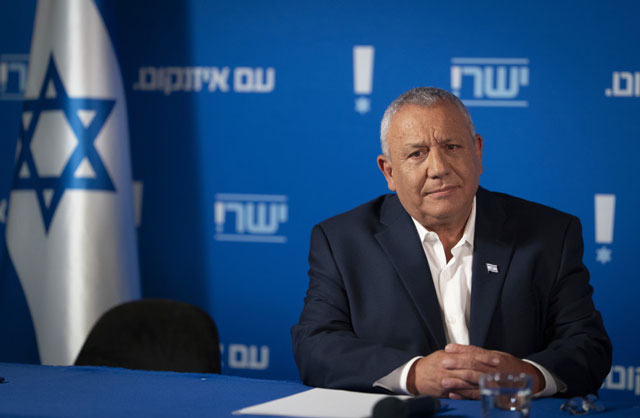
Jerusalem, Jun 19: A new opinion poll published by Maariv has shown former military chief Gadi Eisenkot's Yashar party drawing level with Prime Minister Benjamin Netanyahu's Likud for the first time, signalling a potential shift in Israel's political landscape.
According to the survey, both Yashar and Likud would secure 21 seats if elections were held now. The findings indicate a continued decline in support for Likud since the launch of Operation Roaring Lion, with the ruling party reportedly losing seven seats during the period.
The poll also suggested that the opposition bloc, excluding Arab parties, would command a narrow majority of 61 seats in the 120-member Knesset, while the current governing coalition would secure only 49 seats.
Despite Religious Zionism, led by Finance Minister Bezalel Smotrich, polling above the electoral threshold, the coalition still falls short of the numbers required to form a majority government.
The survey highlighted changing dynamics within the opposition as well. Since the merger between former Prime Minister Naftali Bennett and opposition leader Yair Lapid at the end of April, their joint political platform, Together, has reportedly lost 11 seats. During the same period, Eisenkot's Yashar has emerged as a significant beneficiary, gaining support among voters.
The poll further examined possible alliance scenarios. It found that if Yashar and Together were to contest elections jointly under Eisenkot's leadership, the alliance would win 37 seats. However, this would be four seats fewer than the combined total the two parties are currently projected to secure separately.
A similar alliance led by Bennett would perform less strongly, with the survey suggesting it would receive four fewer seats than a partnership headed by Eisenkot.
The poll also reflected public sentiment regarding Israel's relationship with the United States. Around 49 per cent of respondents said they were concerned about the reported tensions between Netanyahu and US President Donald Trump, while 43 per cent said they were not concerned.
The findings point to growing voter dissatisfaction with both the ruling Likud party and sections of the opposition, while positioning Eisenkot's Yashar as an increasingly influential force in Israeli politics.