Daijiworld Media Network – New Delhi
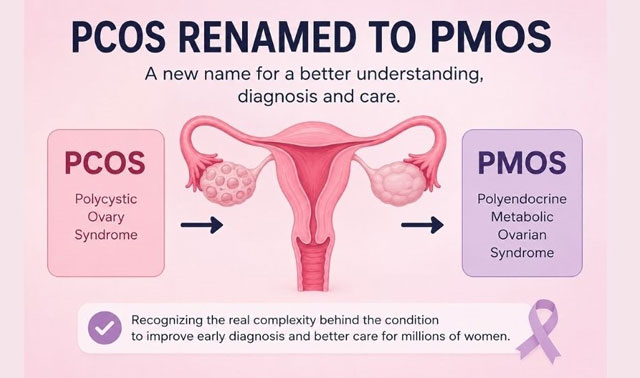
New Delhi, Jun 27: Polycystic Ovary Syndrome (PCOS), a common hormonal disorder affecting women worldwide, is now being referred to as Polyendocrine Metabolic Ovarian Syndrome (PMOS) in an effort to highlight the wider metabolic impact of the condition.
According to the World Health Organization, PCOS affects around 8-13% of women of reproductive age globally, while nearly 70% of affected women remain undiagnosed, indicating a major gap in awareness and diagnosis.
One of the biggest concerns among women with PCOS is the connection between the condition and weight gain. Experts explain that the relationship is complex, as weight gain can worsen PCOS, while the condition itself can make losing weight more difficult.
Dr Neha Shah, weight loss specialist and co-founder of TheGoodWeight.com, said the renaming of the condition helps explain why many women struggle with weight management despite following lifestyle changes.
Dr Shah said many women approach clinics with the concern that they are doing everything right but are unable to lose weight. She noted that several women remain unaware that PCOS can affect the way their body functions, making weight loss challenging.
She explained that the earlier name focused mainly on the ovaries and reproductive health, while the metabolic aspects of the disorder often received less attention.
“The term ‘Polycystic Ovary’ made patients and healthcare professionals view it largely as a gynaecological condition linked to ovarian cysts and reproductive issues, while metabolic problems continued in the background,” she said.
With the shift towards PMOS, experts believe the condition is better recognised as a full-body hormonal and metabolic disorder rather than only an ovarian condition.
Dr Shah explained that PMOS can affect insulin function, increasing the body’s tendency to store fat, particularly around the abdomen. At the same time, excess weight, especially visceral fat, can worsen insulin resistance and hormonal imbalance, creating a cycle that aggravates the condition.
She said weight gain and PMOS often work together, with each worsening the other, and the new terminology could help change the way the condition is understood and treated.
The expert advised women to discuss metabolic factors such as insulin resistance and fasting insulin levels with healthcare providers, as pelvic scans or the presence of ovarian cysts alone may not provide a complete picture of the condition.