Daijiworld Media Network - Patna
Patna, May 14: Bihar leader of opposition Tejashwi Yadav was granted bail on Thursday in a six-year-old case linked to protests held during the COVID-19 pandemic period.
He appeared before the MP/MLA Court in Patna and surrendered before Special Judge Praveen Kumar Malviya. The court subsequently approved his bail application.
The case originates from demonstrations and sit-ins organised during the pandemic, which authorities had treated as violations of then-existing restrictions.
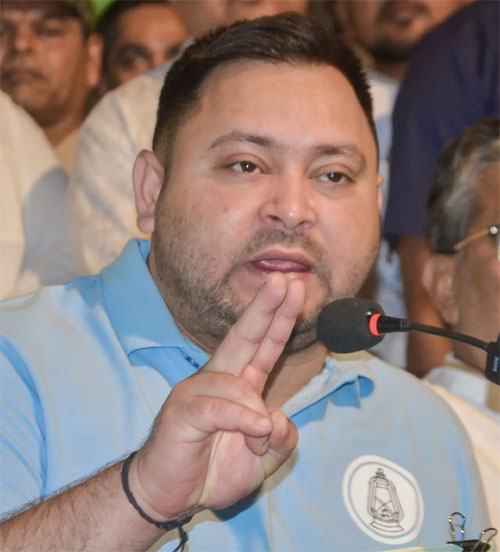
Yadav maintained that the FIR against him was not voluntary action by the administration but was filed in response to protests he led to raise public concerns during the crisis period.
After securing bail, he told reporters, “During the COVID period, a case was forcibly registered against me by the administration. As a public representative, I organised protests to raise issues affecting the public.”
He also referred to the severe difficulties faced by migrant workers during the lockdown, noting that thousands were compelled to travel long distances on foot due to the lack of transport facilities.
According to him, adequate arrangements were not made by the government at the time, and it was necessary for the Opposition to highlight these failures and bring public grievances to attention.
Criticising the action taken against political leaders during the pandemic, the RJD leader said targeting those raising public issues was contrary to democratic principles. He added that the Opposition would continue to speak up for people’s rights and welfare.
The case is among several filed across the country during the COVID-19 period, when lockdown-related protests and migrant crisis demonstrations led to multiple FIRs under different legal provisions.
Separately, Yadav also reacted sharply to Prime Minister Narendra Modi’s recent appeal urging citizens to conserve energy, reduce petroleum use, and shift towards public transport.
He described the appeal as an indication of policy shortcomings and compared it to similar public appeals made during the demonetisation period.
“The Prime Minister’s appeal to the nation is actually a sign of policy failure. A similar appeal was made during demonetization—what came of it? The decisions taken by the Prime Minister in the past have not been in the interest of the common people,” he said.