Daijiworld Media Network - Mumbai
Mumbai, Mar 19: As the popularity of injectable weight-loss drugs continues to rise, a new study by the Cleveland Clinic has offered a more nuanced understanding of what happens when patients discontinue these treatments.
The analysis, published in Diabetes, Obesity and Metabolism, found that many patients who stopped commonly used GLP-1 drugs such as Wegovy and Zepbound did not experience significant weight regain over the following year—contrary to earlier clinical trials.
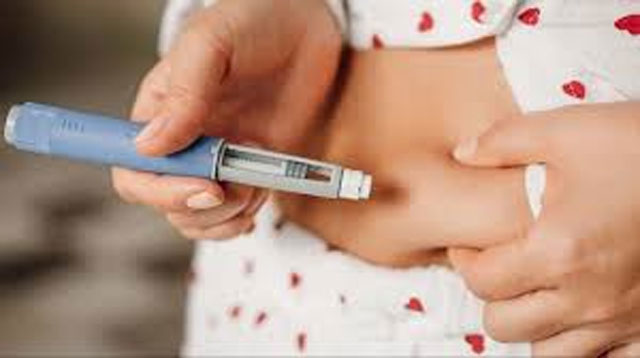
GLP-1 medications, including semaglutide and tirzepatide, have transformed obesity care, helping patients achieve notable weight loss. However, clinical trials often assume patients stop treatment without switching therapies—something that rarely reflects real-life scenarios.
Lead researcher Hamlet Gasoyan noted that many patients either restart the same medication or transition to alternative treatments, which may explain the lower-than-expected weight regain.
The study tracked 7,938 adults across Ohio and Florida who discontinued GLP-1 drugs within three to 12 months of use.
Before stopping treatment, patients with obesity lost an average of 8.4% of their body weight, while those with Type 2 Diabetes lost 4.4%.
A year after discontinuation:
• Patients treated for obesity regained only about 0.5% of body weight on average
• Patients with diabetes, on average, continued to lose weight slightly
While just over half of obesity patients did regain some weight, about 45% either maintained or further reduced their weight. Among diabetes patients, more than half experienced stable or continued weight loss.
The study also found that many individuals did not abandon treatment entirely after stopping GLP-1 drugs:
• 27% switched to another medication
• 20% restarted their original drug
• 14% opted for lifestyle-based interventions such as diet and exercise guidance
• Less than 1% underwent bariatric surgery
Cost emerged as the primary reason for discontinuation, followed by side effects and insurance-related factors.
Researchers tell that obesity treatment should be viewed as a continuous, evolving process rather than a one-time intervention. Continued medical support, lifestyle management, and flexibility in treatment options play a crucial role in sustaining outcomes.
The findings offer a reassuring message: while weight regain remains a possibility, it is not inevitable—especially when patients remain actively engaged in managing their health.