Daijiworld Media Network - Ahmedabad
Ahmedabad, Mar 26: In a major breakthrough in the fight against rare diseases, a Gujarat-based institute has established India’s first national biobank dedicated to Lysosomal Storage Disorders (LSDs), offering fresh hope for affordable diagnosis and treatment.
The facility, housed at the FRIGE's Institute of Human Genetics, has been developed over the past 22 years with government support. It brings together patient samples and detailed clinical data to help researchers identify genetic mutations and develop cost-effective healthcare solutions.
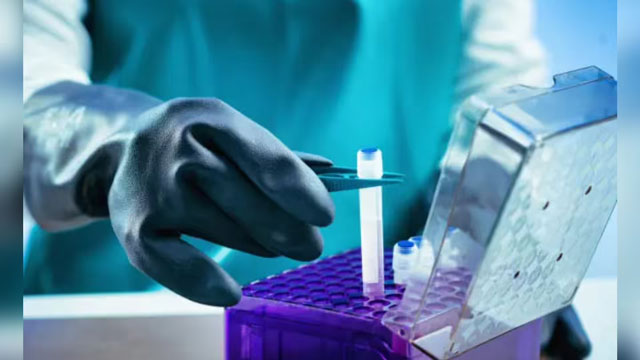
Dr Harsh Sheth, Associate Professor at the institute, said the biobank currently contains data from over 530 patients. The repository includes serum, plasma, genomic DNA samples, and urine precipitates, along with detailed mutation data related to lysosomal disorders.
He noted that the facility is not only aimed at research but also designed to support treatment and improve long-term healthcare outcomes for patients.
By integrating DNA data with clinical profiles, the biobank enables precise identification of disease-causing mutations and accelerates the development of indigenous diagnostic kits and gene therapy approaches. The initiative is supported by the Gujarat State Biotechnology Mission (GSBTM).
Dr Sheth said the Gujarat government had initiated funding for biotechnology research in rare diseases nearly a decade ago, with the institute among the first beneficiaries for LSD research.
In 2019, additional funding facilitated the development of India’s first molecular probe-based sequencing system for such disorders, enabling comprehensive diagnosis of up to 19 lysosomal storage conditions.
With treatment costs often exceeding Rs 1 crore annually, the initiative aims to make advanced care more affordable and accessible, while strengthening India’s push for self-reliance in medical research and positioning Gujarat as a hub for genetic innovation.