Daijiworld Media Network – New York
New York, Mar 27: A recent case report has highlighted a rare but clinically significant immune complication—serum sickness—following cosmetic use of Botulinum toxin type A injection.
The report detailed the case of a 46-year-old woman with no major medical history who developed delayed symptoms after receiving an onabotulinumtoxin-A injection. Nine days after the procedure, she experienced urticaria at the injection sites, followed by fever, joint pain, and abdominal swelling, prompting emergency evaluation.
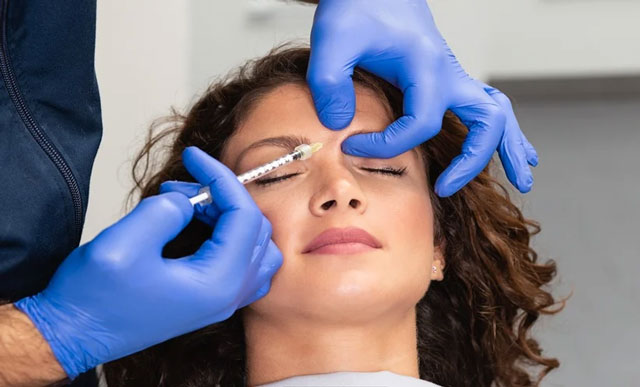
Initially suspected to be a viral illness, further allergologic assessment confirmed a diagnosis of Serum sickness. The reaction was attributed to albumin present in the formulation rather than the neurotoxin itself.
Subsequent testing with an alternative formulation, incobotulinumtoxin-A—which is free of complexing proteins—did not trigger a reaction. The patient later received treatment with this formulation without recurrence of symptoms.
The report also reviewed hypersensitivity reactions linked to botulinum toxin using the Gell and Coombs classification. While immediate allergic responses such as urticaria fall under Type I reactions, serum sickness is categorised as a Type III reaction involving immune complex formation and systemic inflammation.
Delayed, T-cell mediated responses such as itching and skin hardening are classified as Type IV reactions, the authors noted.
Researchers emphasised that non-active components in formulations—such as human serum albumin and bovine gelatin—may contribute to immune responses. They urged clinicians to remain vigilant when patients present delayed systemic symptoms after cosmetic procedures.
The report recommends careful evaluation, including allergy testing where necessary, and highlights the importance of selecting appropriate formulations, particularly for individuals with prior adverse reactions.
Experts also cautioned that such complications may be under-recognised in high-volume cosmetic settings, underscoring the need for increased awareness among practitioners.