Daijiworld Media Network - Washington
Washington, Mar 29: US officials have raised alarm over a rapidly evolving drug crisis marked by a surge in counterfeit prescription pills and powerful synthetic substances, warning lawmakers that the threat is becoming increasingly complex and dangerous.
During a hearing of a subcommittee under the US House Energy and Commerce Committee, legislators examined a set of 14 proposed bills aimed at tackling illegal drug distribution, regulating emerging substances, and expanding access to treatment.
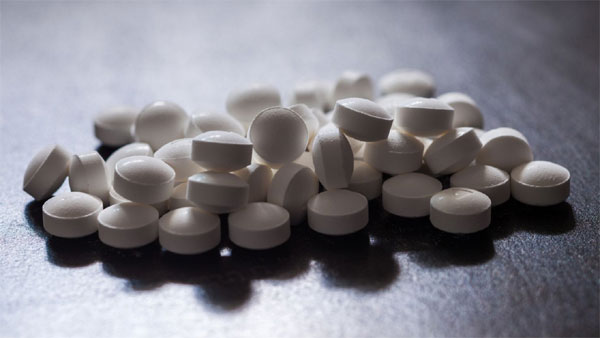
Experts told lawmakers that the drug landscape has shifted significantly from traditional narcotics to synthetic mixtures often manufactured in illegal labs and disguised as legitimate medications. Scott Oulton highlighted counterfeit pills as the most immediate concern, noting that they are mass-produced by criminal groups without any consistency or safety controls.
He explained that pills appearing identical can contain vastly different quantities of dangerous substances such as fentanyl, nitazenes, and xylazine—making them highly unpredictable and increasing the risk of fatal overdoses.
Law enforcement officials echoed these concerns. Dennis Lemma warned that modern drug supplies are “more potent, deceptive, and unpredictable” than ever. Many users unknowingly consume counterfeit medications laced with lethal substances, sometimes resulting in death from a single dose.
A growing concern is xylazine, a non-opioid sedative increasingly mixed with opioids. Because it does not respond to naloxone, commonly used to reverse overdoses, emergency treatment becomes more complicated.
Officials also pointed to a rising synthetic compound known as 7OH, which is being marketed as a natural product despite posing serious risks of addiction and overdose.
In response, lawmakers are considering stricter enforcement measures, including classifying substances like xylazine and nitazenes under the Controlled Substances Act. However, some experts urged caution. Nabarun Dasgupta warned that banning one drug often leads to the rapid emergence of alternatives. He cited cases where xylazine has already been replaced in some regions by similar compounds such as medetomidine.
Public health officials also stressed the need to maintain progress made in reducing overdose deaths. Yngvild Olsen noted that while fatalities have declined from pandemic-era peaks, continued investment in treatment is essential. She emphasized the effectiveness of medications like methadone and buprenorphine in reducing overdose risks.
The discussions revealed a divide among policymakers, with some prioritizing stricter law enforcement while others advocate for expanded treatment, harm reduction strategies, and sustained public health funding.
Witnesses agreed that the speed at which the drug market is evolving is outpacing current response systems. New approaches, such as wastewater analysis, are being explored to provide real-time insights into drug use trends and improve response strategies.
The US drug crisis, which has evolved over two decades from prescription opioids to heroin and now synthetic drugs like fentanyl, is entering a more unpredictable phase. Despite recent declines in overdose deaths, officials cautioned that the rise of counterfeit pills and emerging substances continues to pose a serious and ongoing challenge.