Daijiworld Media Network - Mumbai
Mumbai, Mar 22: Shiv Sena (UBT) leader Sanjay Raut has made a series of explosive allegations in his book Unlikely Paradise, claiming that former vice-president Jagdeep Dhankhar resigned in 2025 under pressure from the Enforcement Directorate (ED) over his “independent political moves” against the Modi government.
The Marathi version of the book was released in 2025, while its English edition—featuring additional incidents—is scheduled for release on Monday.
According to the book, rumours had circulated that Dhankhar and his wife sold their Jaipur residence and transferred part of the proceeds overseas. It alleges that the ED, along with other investigative agencies, prepared a file to initiate action against him.
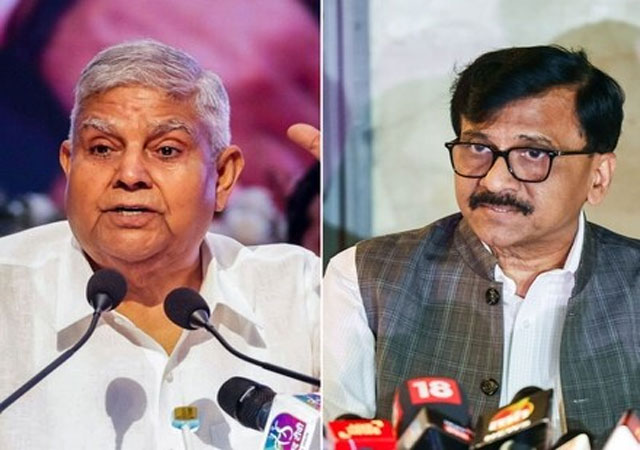
“When whispers emerged of Dhankhar’s independent political moves against the Modi government, ED reportedly presented him with the file, pressuring him to resign,” the book claims, adding that his initial refusal led to increased scrutiny.
Raut has also alleged that former Election Commissioner Ashok Lavasa faced raids and summons for taking a dissenting stand against Prime Minister Narendra Modi and Union Home Minister Amit Shah over alleged electoral violations.
The book claims that Lavasa acted on complaints citing multiple breaches of the Election Code and resisted pressure to remain silent, which allegedly led to action against him and his family. It further alleges that ED scrutiny forced his resignation in 2020.
Raut’s book also makes claims about past political developments during the UPA government. It states that there were discussions about possible legal action against Modi, then Gujarat chief minister, in connection with the post-Godhra riots, but Sharad Pawar opposed the idea, arguing against jailing an elected chief minister.
Additionally, the book alleges that both Pawar and Shiv Sena founder Bal Thackeray helped Shah secure bail in earlier cases, despite opposition from the CBI.
It further claims that Shah once sought Thackeray’s intervention with a judge during a critical phase of his legal troubles, suggesting that the episode significantly influenced his political trajectory.
The book concludes with criticism of what it describes as “ungrateful” political conduct in later years.