Daijiworld Media Network - Dar Es Salaam
Dar Es Salaam, May 18: Tanzania has intensified its disease surveillance and emergency response systems following an Ebola outbreak reported in neighbouring Democratic Republic of the Congo, senior health officials confirmed on Sunday.
Erasto Sylvanus, Director of Emergency Preparedness and Response at Tanzania’s Ministry of Health, said the government has increased border health screening, surveillance operations and rapid response planning to prevent any possible spread of the virus into the country.
According to Sylvanus, Tanzanian authorities are coordinating closely with the World Health Organization and neighbouring nations to strengthen prevention and early detection mechanisms.
He stated that a rapid assessment had been conducted in collaboration with the WHO to evaluate Tanzania’s proximity and level of interaction with Ebola-affected regions in Congo and Uganda. The exercise was aimed at identifying high-risk areas and implementing preventive measures in line with International Health Regulations.
The official said health screening of travellers has been tightened at border entry points connecting Tanzania with Congo and Uganda. Authorities have also stepped up monitoring for rumours, suspected infections and unusual health cases across communities and healthcare centres nationwide.
To improve preparedness, the government has circulated updated technical guidelines to regional administrations and deployed specialised emergency response teams to vulnerable areas, while keeping additional teams on standby.
Sylvanus added that hospitals and healthcare facilities across the country have been placed on high alert and instructed to prepare isolation wards for suspected Ebola patients in order to minimise transmission risks.
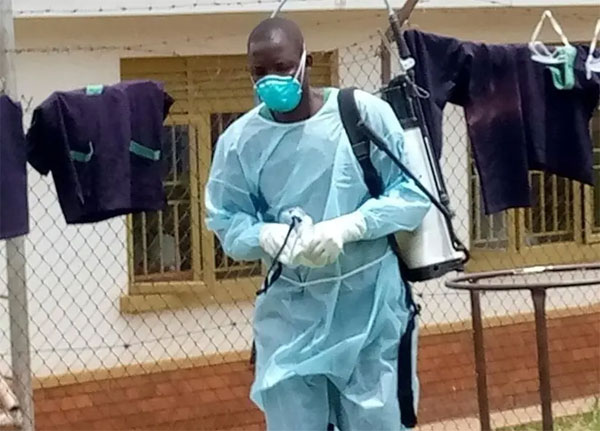
The government is also reviewing the availability of essential medical supplies, particularly personal protective equipment (PPE) required by frontline healthcare workers handling potential cases.
He further noted that Tanzania’s National Public Health Laboratory is capable of testing and confirming Ebola infections within 24 hours. A mobile laboratory has also been positioned in the northwestern Kagera region to enable faster testing and emergency response if needed.