Daijiworld Media Network – Srinagar
Srinagar, Jun 16: The ongoing crisis in West Asia and a sharp decline in saffron production in Iran have led to a surge in demand for Kashmiri saffron, offering a boost to growers in the Valley despite a fall in local output.
According to Abdul Majeed Wani, demand for Kashmir saffron has increased significantly this year as disruptions in Iran's saffron sector have affected global supply.
Wani said Iran has witnessed a decline of around 140 tonnes in saffron production this year, creating opportunities for Kashmiri producers in international markets.
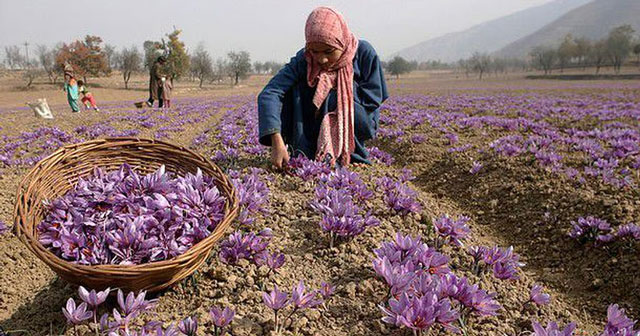
Known as “red gold” for its unique aroma, flavour and colouring properties, saffron is primarily cultivated in Pampore and adjoining areas of South Kashmir.
The spice is obtained from the dried stigmas of purple saffron flowers and requires specific climatic conditions, making its cultivation largely confined to select areas of Pulwama district.
Despite the growing demand, saffron production in Kashmir has declined in recent years. Official figures show output fell from 23.53 metric tonnes in 2023-24 to 19.58 metric tonnes in 2024-25.
Growers attribute the decline to changing weather patterns and inadequate irrigation facilities.
They said saffron cultivation requires several spells of rainfall between August and the harvest season, which extends until late November. Deficient rainfall and prolonged dry conditions have adversely affected crop yields.
“It needs many spells of rainfall from August till its harvest in November-end,” growers said, highlighting the impact of climate variability on production.
The increase in demand has also pushed up prices.
According to traders, saffron that previously sold at around Rs 250 per gram, or Rs 2.5 lakh per kilogram, is now fetching approximately Rs 350 per gram and between Rs 3.20 lakh and Rs 3.70 lakh per kilogram.
“The demand for Kashmir saffron has gone up noticeably this year. Prices have improved compared to previous seasons,” a grower said.
Export demand has also strengthened, with Kashmiri saffron being shipped to markets in the United Arab Emirates, United States, United Kingdom and several other destinations.
Traders believe ongoing geopolitical developments involving Iran could further enhance demand for Kashmiri saffron, particularly in Gulf countries that traditionally rely on Iranian supplies.
At present, around 3,700 hectares of land in Jammu and Kashmir are under saffron cultivation. The harvesting season runs from October 15 to November 20, during which the flowers are hand-plucked in multiple rounds to extract the valuable spice.
With global demand rising and prices strengthening, saffron growers in Kashmir are hopeful that the current market conditions will help offset challenges posed by declining production and climate-related disruptions.