Daijiworld Media Network – Washington
Washington, Jun 18: Tropical Storm Arthur, the first named storm of the 2026 Atlantic hurricane season, weakened into a low-pressure system on Wednesday night, but forecasters warned that it continues to pose a serious flooding threat across parts of the southeastern United States.
The storm, which formed off the Texas coast earlier on Wednesday, lost strength after making landfall. However, the US National Weather Service cautioned that heavy rainfall and life-threatening flash flooding remain major concerns across affected regions.
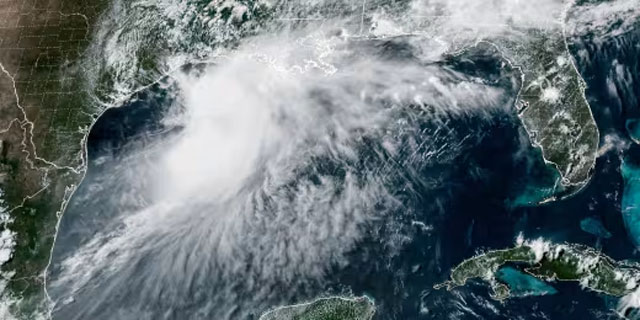
According to the National Hurricane Center (NHC), parts of Texas, Louisiana and Mississippi could receive between 5 and 10 inches of rain, with isolated areas expected to record up to 20 inches.
Authorities reported wind speeds of up to 55 mph in Brazoria County on the Texas Gulf Coast as the system moved inland.
Forecasters said the highest flood risk over the next several days stretches from Lake Charles in Louisiana to Montgomery in Alabama, with the heaviest rainfall expected around Mobile, Alabama.
Weather experts noted that the severity of flooding will depend largely on whether the rain bands remain stationary over vulnerable areas. Saturated ground conditions caused by recent rainfall could further increase the risk of flash floods and localised inundation.
Texas is already grappling with severe weather conditions, with Governor Greg Abbott having declared a disaster in 101 counties earlier this week following widespread storms.
Meteorologists said several parts of the Southeast had experienced prolonged drought conditions during March, April and early May. While recent rainfall helped ease dry conditions, the sudden influx of additional moisture could now heighten flood risks.
The storm's impact has also coincided with FIFA World Cup activities in cities such as Houston and Atlanta. While some fan events have faced disruptions due to rain, officials do not anticipate significant problems for scheduled matches.
Arthur is the first named storm of what forecasters expect to be a relatively mild Atlantic hurricane season. The National Oceanic and Atmospheric Administration (NOAA) has projected three to six hurricanes and eight to 14 named tropical storms during the 2026 season.
Experts attribute the subdued outlook largely to the development of El Niño conditions in the Pacific Ocean, which typically suppress hurricane formation in the Atlantic by increasing wind shear. However, unusually warm sea surface temperatures in the Gulf of Mexico and Atlantic Ocean continue to provide favourable conditions for storm development.
Meteorologists cautioned that even during a quieter season, a single storm can cause significant damage, urging residents in vulnerable areas to remain alert and follow weather advisories.