Daijiworld Media Network - Tehran
Tehran, Jun 13: Iran has said it is close to reaching an agreement with the United States to end hostilities, with the proposed deal expected to include the reopening of the strategically vital Strait of Hormuz and the lifting of the US blockade on Iranian shipping.
Iranian Foreign Minister Seyed Abbas Araghchi told state television that the agreement would pave the way for easing economic restrictions on Iran, while negotiations on Tehran's nuclear programme would begin at a later stage.
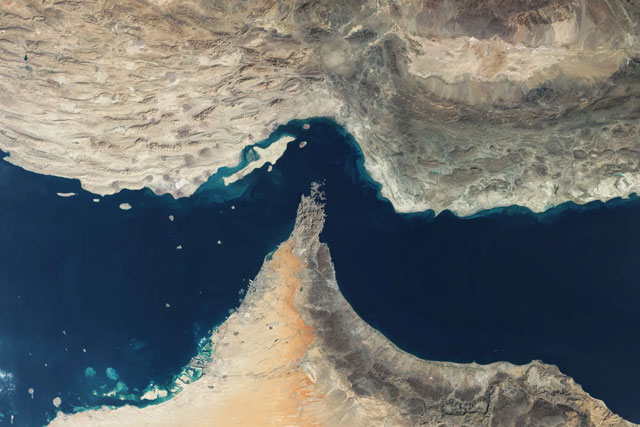
The conflict began on February 28 following US and Israeli strikes across Iran, triggering retaliatory attacks by Iran against Israel and US-allied Gulf states. The escalation also led to the effective closure of the Strait of Hormuz, through which nearly 20 per cent of the world's oil and liquefied natural gas supplies normally pass.
Although a ceasefire was reached in April, tensions persisted, with Iran and the US exchanging intermittent strikes, including two rounds of retaliatory attacks this week.
US President Donald Trump said he had cancelled planned attacks against Iran because negotiators had reached what he described as a “great settlement” that could be signed soon. However, Trump later dismissed reports published by Iranian media regarding a reported 14-point agreement, saying they did not reflect the actual terms under discussion.
Meanwhile, Shehbaz Sharif said the Memorandum of Understanding (MoU) between the US and Iran had been agreed upon and was awaiting finalisation. Pakistan and Qatar have played key roles in mediation efforts.
Araghchi said discussions on the deal were still under review by Iran's Supreme National Security Council, where both supporters and opponents of the proposed terms exist. He noted that no final collective decision had yet been reached but expressed optimism that the agreement could be signed remotely in the coming days.
According to US officials, the deal would immediately reopen the Strait of Hormuz in exchange for the lifting of restrictions on Iranian shipping. This would be followed by a 60-day negotiation period focused primarily on Iran's enriched uranium stockpile, a key issue in concerns over Tehran's nuclear ambitions.
The officials said all enriched uranium material would eventually be destroyed on-site and removed from the country, although details of the process are still being finalised.
On the economic front, US officials clarified that Iran would not receive immediate financial relief. Instead, sanctions relief and the unfreezing of Iranian assets would occur gradually and only after Tehran fulfilled specific commitments.
The proposed agreement also calls on Iran to halt support for regional proxy groups, including Hezbollah and other allied organisations across the Middle East.
US negotiators stressed that the deal would be based on verifiable actions rather than trust, with economic benefits linked directly to Iran's compliance with agreed measures.
Araghchi described the atmosphere surrounding the talks as positive and said the agreement would be formally announced once the final stages of negotiations were completed.
He also indicated that the future administration of the Strait of Hormuz would differ from previous arrangements. Since closing the waterway, Iran has demanded fees from vessels seeking passage, while the US has maintained that international shipping should be allowed to pass freely.
The Iranian minister further stated that the memorandum envisions an end to hostilities between Israel and Hezbollah in Lebanon. However, reports from US officials suggest Lebanon may not be formally included in the agreement, highlighting one of several issues that remain unresolved.
Despite growing optimism among mediators and negotiators, officials on all sides have cautioned that final approval is still pending and that previous attempts to secure a similar agreement have collapsed at advanced stages of negotiations.