Daijiworld Media Network – New Delhi
New Delhi, May 19: A millet-based diet combined with vitamin supplements may help improve vitamin B12, vitamin D and haemoglobin levels, according to a Delhi-based study published in the European Journal of Nutrition & Food Safety.
The study comes amid growing concerns over widespread micronutrient deficiencies and “hidden hunger” in India caused by poor dietary diversity and cereal-dominated food habits.
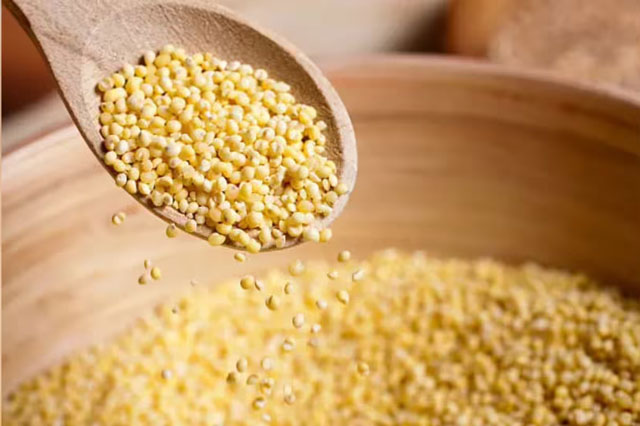
Conducted among adults aged between 18 and 45 years at the National Association of the Blind (NAB) in Delhi-NCR, the study examined whether millet-rich meals alongside vitamin supplements could improve nutritional status more effectively than supplements alone.
The research was carried out by experts from the All India Institute of Medical Sciences (AIIMS), New Delhi, the Celiac Society of India and Dr Dangs Lab.
Researchers conducted a 60-day randomised controlled trial involving 54 participants divided into two groups. One group received vitamin D, vitamin B12 and multivitamin supplements, while the second group received the same supplements along with a millet-based diet.
According to the findings, women in the millet intervention group showed significantly greater improvement in vitamin B12 and vitamin D levels compared to those who received supplements alone.
The study reported a median increase of 302 pg/mL in vitamin B12 levels in the millet group, compared to 78 pg/mL in the control group. Vitamin D levels among women participants increased by 49.9 ng/mL in the intervention group compared to 31.7 ng/mL in the control group.
Researchers also observed significant improvement in haemoglobin levels among women consuming millet-based meals.
Nutritionist and study co-author Ishi Khosla said incorporating millets into regular diets may help improve micronutrient absorption and lower the risk of chronic conditions such as obesity. However, she stressed that portion size and meal timing remain important factors.
The study noted that India’s gradual shift away from traditional grains like millets following the Green Revolution may have contributed to rising nutritional deficiencies in recent decades.
Researchers highlighted that millets are rich in minerals, fibre and antioxidant compounds and could serve as a sustainable dietary approach to tackling micronutrient deficiencies.
However, the authors clarified that vitamin supplements remained the primary factor behind the improvements in vitamin D and vitamin B12 levels, while millet consumption appeared to offer additional supportive benefits.
The study also pointed out that improvements were more noticeable among women, while changes among male participants did not reach statistical significance, partly due to the small number of men included in the trial.