Daijiworld Media Network – Colorado
Colorado, May 19: Health authorities in Colorado are investigating a death caused by hantavirus in Douglas County, officials confirmed, while clarifying that the case is not linked to the recent outbreak reported aboard the MV Hondius cruise ship.
According to the Colorado Department of Public Health and Environment and the Douglas County Health Department, the deceased was an adult resident of Douglas County.
State epidemiologist Dr Rachel Herlihy said the strain detected in Colorado is different from the one associated with the cruise ship outbreak. The strain found in Colorado is known as “Sin Nombre”.
“At this point, we really don't see any Colorado connections to that cruise ship outbreak,” Herlihy said.
The outbreak linked to the MV Hondius cruise ship had infected at least 11 people, including three deaths, according to the World Health Organization. More than a dozen Americans who were aboard the ship were reportedly quarantined in Nebraska last week.
Officials stated that hantavirus infections caused by the Sin Nombre strain generally occur during spring and summer and can lead to severe respiratory illness, which may turn fatal in some cases.
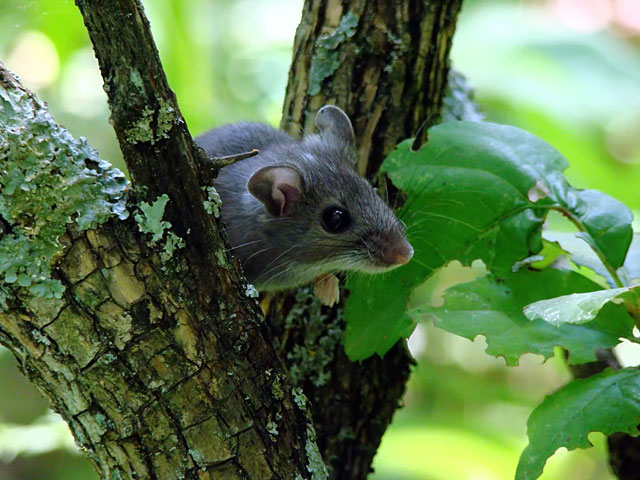
Health experts said deer mice are the primary carriers of the virus in Colorado. People are usually exposed while cleaning rodent-infested areas or through contact with rodent urine, droppings, saliva, or nests.
Authorities advised the public to avoid direct exposure to rodents and their nesting areas as a preventive measure.
Since 1993, Colorado has recorded 133 hantavirus cases linked to the Sin Nombre strain, including 48 deaths, officials said.
The Andes virus, associated with the cruise ship outbreak, is reportedly the only hantavirus strain known to spread from person to person, usually through close contact.
The state health department said investigations are underway to determine the exact source of exposure in the Douglas County case, though preliminary findings suggest local rodent exposure.
Officials added that the overall risk to the general public remains low.